
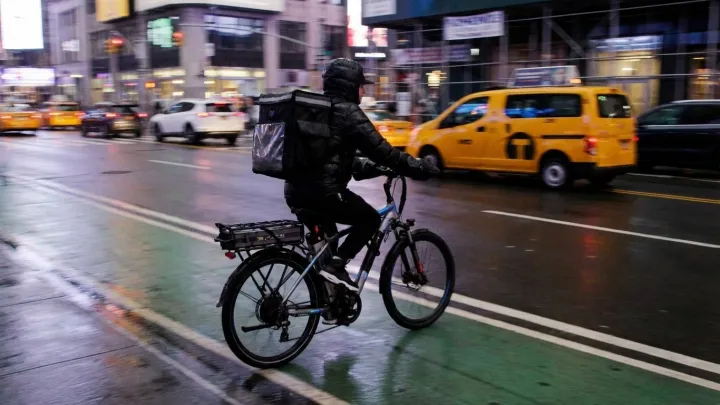
Rising e‑bike trauma is forcing cities into a policy experiment. Emergency departments report more riders arriving with head injuries, polytrauma and burns linked to lithium‑ion battery failures, while crash reports show higher collision speeds on corridors never designed for powered micromobility.
Officials now argue that treating e‑bikes like toys is a public health error. Cities are drafting registration rules that assign plates to higher‑speed models, link owners to vehicles in police databases and create a traceable record for hit‑and‑run investigations, though privacy advocates warn of creeping surveillance and unequal enforcement.
Regulators are also pushing clearer class systems that distinguish pedal‑assist from throttle bikes, tying each class to maximum assisted speed and motor wattage, helmet mandates and age limits. Transport engineers, citing kinetic energy and impact biomechanics, say that even small reductions in speed thresholds sharply cut fatality risk when riders mix with pedestrians.
Yet many planners insist that rules without concrete will fail. They press for protected lanes wide enough for e‑bikes, physical separation from sidewalks, redesigned intersections and charging hubs with certified battery standards and fire suppression, arguing that the street, not the rider, remains the most stubborn variable.