Burnout, not boredom, is Animal Crossing: New Horizons’ real antagonist. The island economy quietly trains players into a grind: daily log-ins, resource harvesting, and turnip speculation form a compulsion loop that feels like a soft spreadsheet. Miss a session and the weeds, cockroaches, and guilt stack up, turning a cozy escape into unpaid shift work.
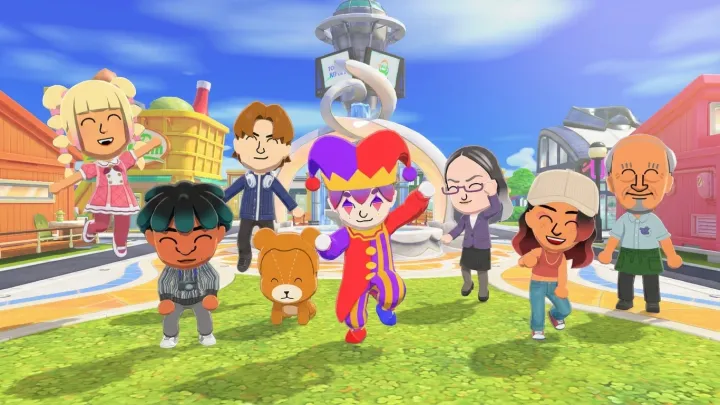
By contrast, Tomodachi Life: Living the Dream is almost rude in how little it needs you. Characters form friendships, rivalries, and romances on their own, running a perpetual social simulation that keeps generating micro-stories even when you ignore it. Instead of a chore checklist, you get emergent drama, closer to a sandbox of autonomous agents than a routine-based life sim, which radically lowers pressure to optimize.
That difference matters. New Horizons ties progress to extrinsic goals: house expansions, Nook Miles, catalog completion. Living the Dream shifts emphasis to observation and surprise, making the player more audience than manager. Sessions become snackable; you drop in, witness a bizarre concert or an awkward confession, then walk away without penalty. Where one island punishes absence, the other simply keeps dreaming without you.