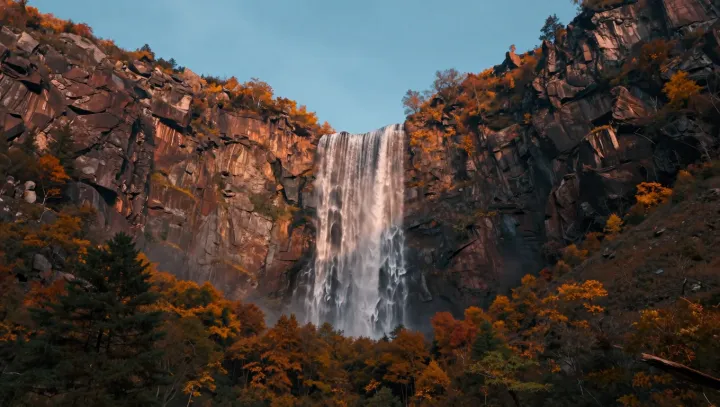
A frozen waterfall is not still; it is a wound in transit. Ice and rock seem fixed, yet the river is carving a vertical step known as a knickpoint, a sharp break in channel gradient that concentrates hydraulic energy. Each plunge of water, each grain of sand, hammers at the base, undercutting the cliff and priming slabs of rock to fail.
Geologists argue that the real motion is not the falling water but the upstream march of that step. Through abrasion and plucking, the flow exploits bedding planes and fractures in sedimentary rock, turning the fall into a moving scar that retreats grain by grain. Differential erosion ensures softer layers vanish faster, so the lip of the fall migrates, dragging the entire canyon profile with it.
What looks like a frozen curtain is, to them, a slow shock front. Channel incision deepens the gorge, knickpoint retreat shifts the drop, and the valley walls adjust in response through mass wasting. Stand at the brink and you see spray and ice; trace the profiles on a survey map and you see a river quietly rewriting its own stone corridor.