
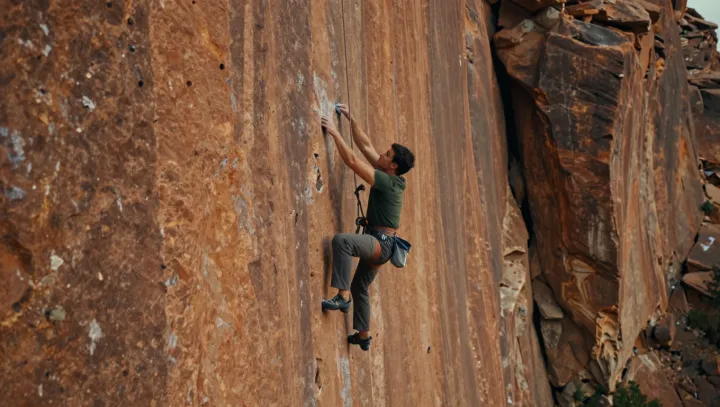
Rope systems, not fingers, decide whether a minor slip becomes a life‑threatening fall. Elite climbers point out that most serious incidents trace back to misclips, bad anchors, or belay errors, rather than failed grip on tiny holds.
The stark claim from high‑level guides is simple. Strength mostly shifts performance margins; systems rewrite the entire risk profile. A stronger forearm changes the probability of falling on a single move, yet a redundant anchor, a correctly tied figure‑eight knot, and a locked belay carabiner change the probability that any fall becomes catastrophic. Accident reports from alpine clubs repeatedly show the same pattern: harness mis‑threading, incomplete tie‑ins, non‑equalized anchors, or mismanaged belay devices, not lack of finger flexor strength, sit at the root of the worst outcomes.
Counterintuitive as it sounds, a weaker climber with flawless belay technique and consistent partner checks often faces lower real danger exposure than a powerful climber who treats rope work as background noise. Double‑checking the tie‑in loop, practicing fall arrest with assisted‑braking devices, understanding load paths through the protection chain, and rehearsing escape from the belay turn rare freak events into survivable ones. Grip training buys attempts. Rigging mastery buys margins when everything else goes wrong.