
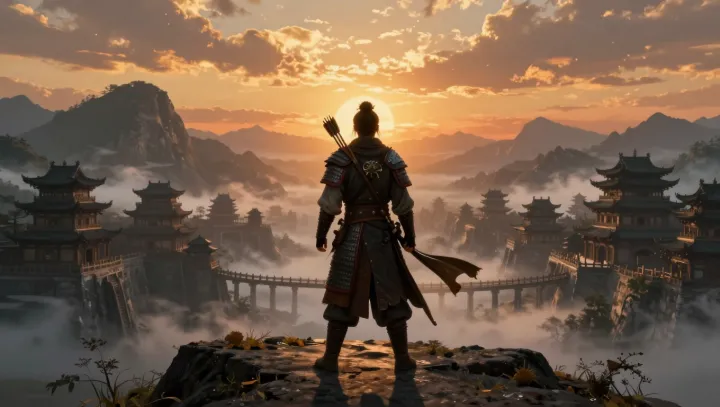
Height beats muscle. On a cliff, the archer’s bow does not change, yet physics quietly rewrites the reach and impact of every arrow. Higher origin points flatten trajectories, extend effective range, and widen the cone of fire, a classic problem in external ballistics that commanders study on sand tables, not in gyms.
Patience beats reinforcements. By waiting, the archer converts time into information: enemy routes, timing, and blind spots become visible patterns, a primitive form of surveillance that creates predictive power. With that data, each shot can target chokepoints, supply carriers, or officers, turning a single shaft into a form of area denial rather than a one-on-one duel.
Strength is local; elevation is systemic. Extra bow draw weight only helps within a narrow corridor. More weapons just stack redundancy on the same flat angle. More teammates add noise and exposure. A cliff multiplies lines of sight, overlapping arcs, and psychological pressure; soldiers cross open ground not just under fire, but under the threat of unseen, delayed fire. Control grows not by adding hands, but by standing higher and waiting longer.