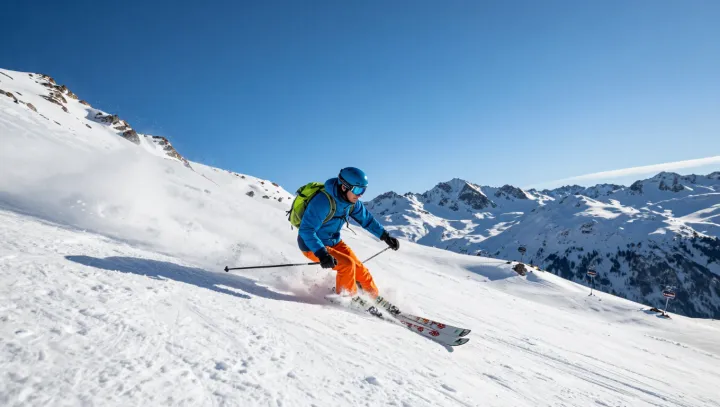
A ski turn begins in the eyes, not in the thighs. That claim, once dismissed as coach jargon, is now gaining cover from motor learning research and vestibular system studies that show how gaze direction preloads the brain’s movement plan before muscles ever fire.
The harsh truth is that most recreational skiers are overbuilt in the gym and underwired in the head. Sports neuroscientists point to feedforward control and saccadic eye movements: when you snap your focus down the fall line and let your hips follow that visual cue, the legs simply execute a prewritten program instead of improvising under stress.
Coaches pushing this approach start drills not with carving, but with staring. Short, deliberate head turns. Hip leads that feel exaggerated. Slow traverses where the skis lag behind a moving gaze, teaching proprioceptors to trust a new hierarchy in which vision and pelvis give the orders and quadriceps comply.
Skeptics argue that strength still matters, and they are right, but only in the way a powerful engine matters once the steering is sorted. Without trained eye–hip sequencing, added power just amplifies every late turn and defensive skid; with it, the skier finally matches the smooth, preplanned line that always looked effortless from the chairlift.