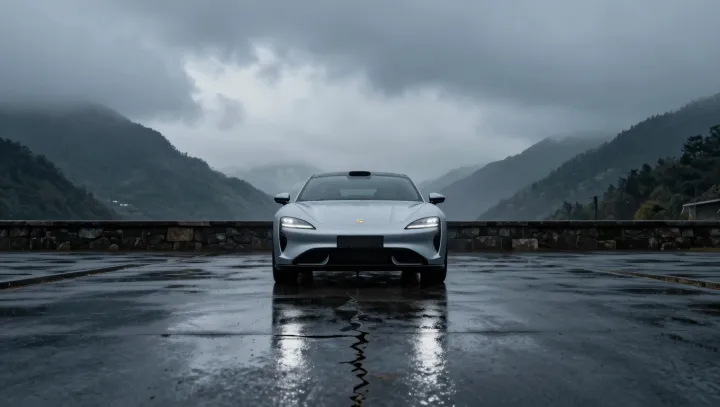
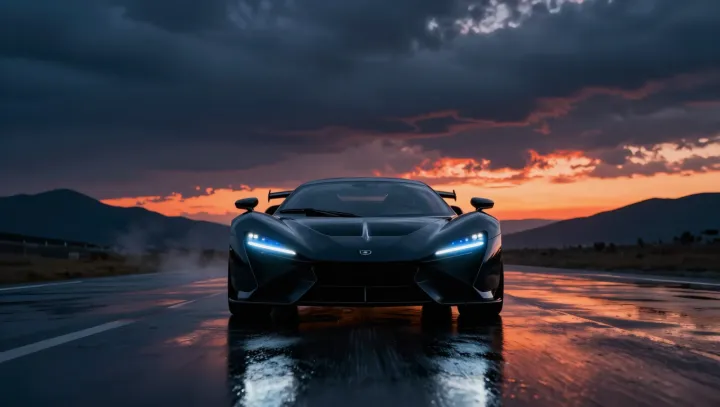
Sunset on a low-slung supercar is not romance; it is a carefully wired neurological hack. The long hood, the visible vibration, the mechanical clatter all flood the brain’s sensory cortex while a quiet electric vehicle offers mainly abstract metrics on a dashboard. One car sells spectacle to the senses, the other sells numbers to the intellect.
The uncomfortable claim is that the brain values drama over thrift. Human reward circuitry, especially the dopaminergic pathways, responds more strongly to salient multisensory cues than to delayed, invisible gains like better energy efficiency or reduced carbon output. Engine revs create rapid fluctuations in sound pressure and vibration, which amplify arousal via the reticular activating system and heighten the feeling of being alive behind the wheel.
More radical still is the idea that waste can feel like control. In a combustion supercar, throttle input produces immediate acoustic feedback and a tangible surge in torque, giving the motor cortex and proprioceptive system a tight feedback loop that reads as mastery. By contrast, an electric drivetrain with strong torque vectoring and stability control can mute that perceived contingency, even while optimizing traction and energy use through advanced power electronics and regenerative braking algorithms.
The deeper tension is this: an efficient EV aligns with rational utility, yet the low, loud machine aligns with embodied cognition. Between a silent battery pack and a roaring engine bay at dusk, the brain often crowns the one that wastes more fuel but spends more generously on sensation.