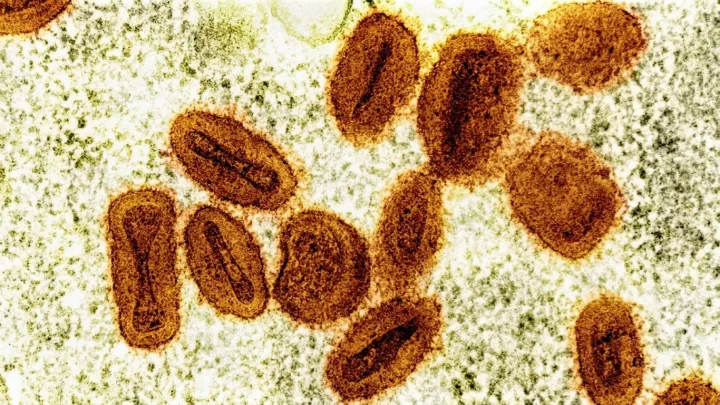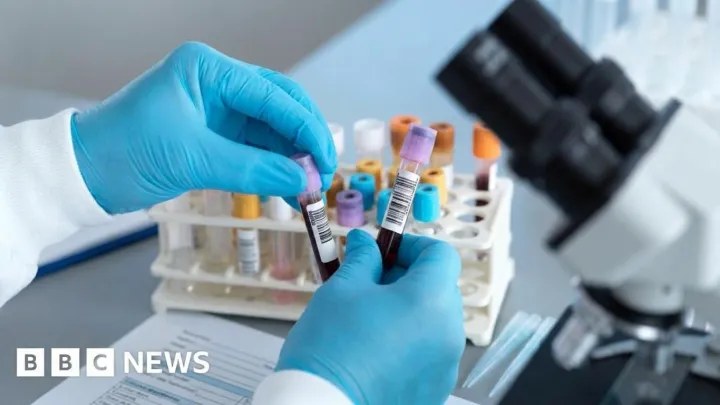
A lower case tally sounds reassuring, yet the revised Ebola numbers in Congo tell a more ambiguous story. WHO has cut the count of suspected infections after laboratory testing and case reclassification, trimming the pool of patients under investigation and narrowing the official line between confirmed, probable, and discarded cases.
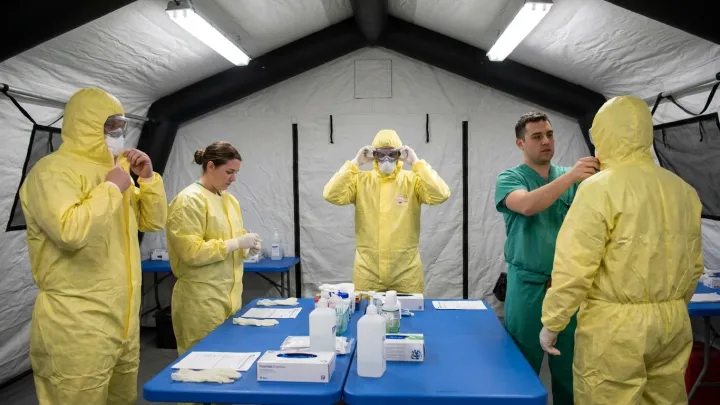
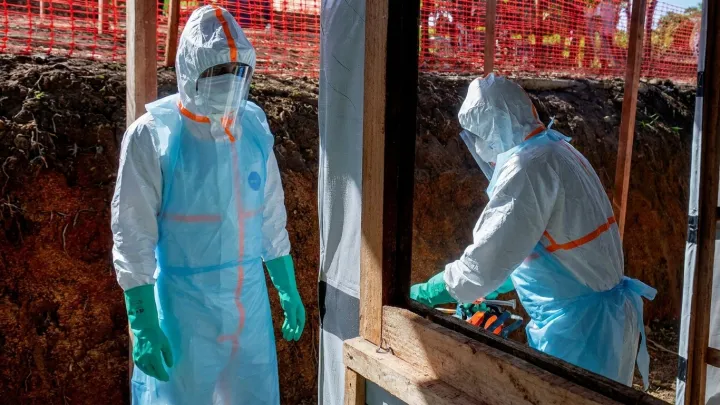
Frontline medics insist the threat has not shrunk with the spreadsheet. They describe gaps in epidemiological surveillance, with contact tracing teams stretched, transport delayed, and some blood samples never reaching reference laboratories. Clinical staff still rely on strict infection prevention and control, including personal protective equipment and isolation wards, while triage units struggle to separate fevers caused by Ebola virus disease from malaria or measles.
The deeper problem, they argue, lies outside the clinic walls. Community mistrust slows reporting of early symptoms, and rumors deter families from sending relatives to treatment centers, undercutting case detection and safe burials. Even as the official curve bends downward, health workers warn that a single missed transmission chain could reset the outbreak, leaving the revised figures looking less like progress and more like a pause.