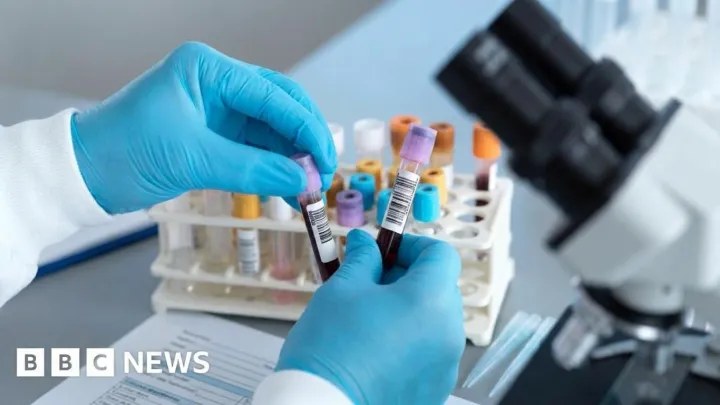
One number looks almost implausible at first glance: suspected Ebola cases falling from 1,100 to 437. The drop follows a rapid expansion of laboratory testing, which has stripped away unconfirmed fevers and respiratory infections that were previously counted as possible Ebola, tightening the case definition and compressing the apparent size of the outbreak.
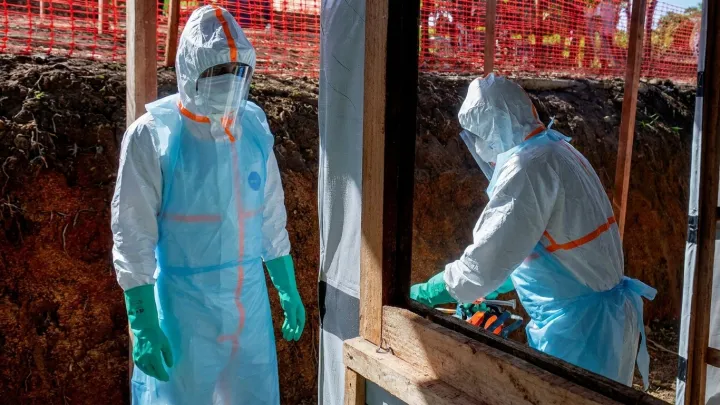
This reversal underlines a simple point: surveillance quality can distort fear more than the pathogen itself. As polymerase chain reaction assays and standardized case investigation forms reach more clinics, health workers are reclassifying patients once logged as suspected Ebola into other diagnostic categories, while confirmed Ebola cases remain under close hematologic and virologic monitoring inside isolation wards.
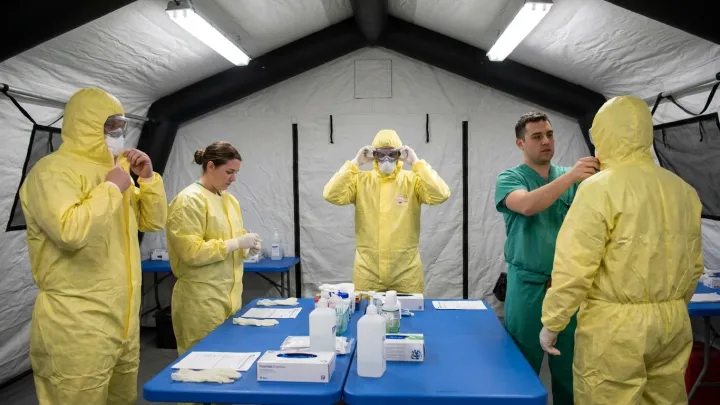
The sharper case curve does not erase risk; it recalibrates it. With hundreds of suspected cases removed from the tally, contact tracing teams can focus on a smaller, better defined network of exposure, infection prevention protocols can be targeted at facilities with proven transmission, and scarce protective equipment can be deployed along chains of confirmed or probable infection rather than scattered across every ward with a feverish patient.