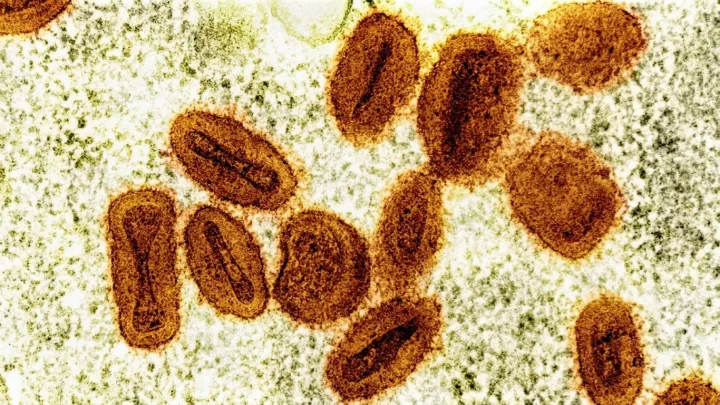
Trust in public labs rarely breaks this visibly, yet prosecutors now say a package of deactivated mpox virus crossed borders in secret. At the center of the case is an undeclared shipment of vials sent from Africa into a U.S. government facility, outside the formal import controls that normally govern any orthopoxvirus material.
Prosecutors argue this was not a paperwork slip. They describe a deliberate effort by two scientists employed at the lab to bypass permit requirements, move the mpox samples into the country, then mislead investigators once questions began. Charging documents cite false statements during interviews and incomplete accounts of how the vials were ordered, shipped, and stored within the federal complex.
The scientific claim that the virus was deactivated does not erase the legal exposure, because import rules focus on chain of custody and biosafety classification, not just on replication competence. Federal agents point to biosecurity protocols, including select agent regulations and material transfer agreements, as the guardrails that were allegedly ignored. For a system built on meticulous compliance, a few vials and a few lies are enough to expose how fragile that discipline can be.