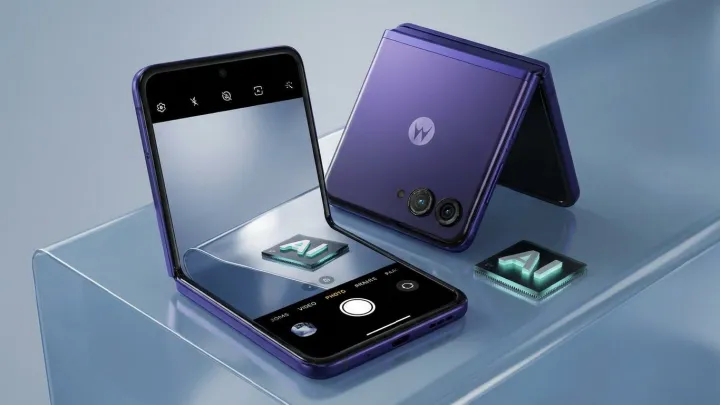
Motorola’s new Razr Ultra starts with a snub: chemistry, not cameras, is its headline. At the center sits a carbon-silicon battery, the first time a major U.S.-market smartphone brand ships this material in a flagship shell aimed squarely at the iPhone and Galaxy crowd.
The bet is simple. More ions, same space. By blending carbon with silicon in the anode, the cell pushes lithium-ion energy density beyond what conventional graphite anodes allow, while internal resistance is tuned to support higher C‑rates during fast charging. That translates into longer screen‑on time and shorter wall‑time without bulking up the foldable chassis, a constraint that has haunted previous Razr generations and given Apple and Samsung room to claim endurance wins.
Still, this is not a free lunch. Silicon expansion under repeated lithiation and delithiation cycles threatens capacity fade, so Motorola and its suppliers rely on advanced binder chemistry and electrolyte additives to stabilize the solid electrolyte interphase and slow mechanical stress. If those mitigations hold under real-world thermal loads and the repeated bends of a clamshell hinge, the Razr Ultra’s battery could shift the competitive script from camera sensors and AI branding to raw electrochemistry, forcing Apple and Samsung to answer on materials science rather than marketing copy.