Self-repair, not drugs, is the most surprising weapon emerging against Alzheimer’s. In a new study, scientists report that boosting a single protein, Sox9, inside astrocytes prompts the brain’s own cleanup crews to strip away toxic plaques that define the disease and erode memory.
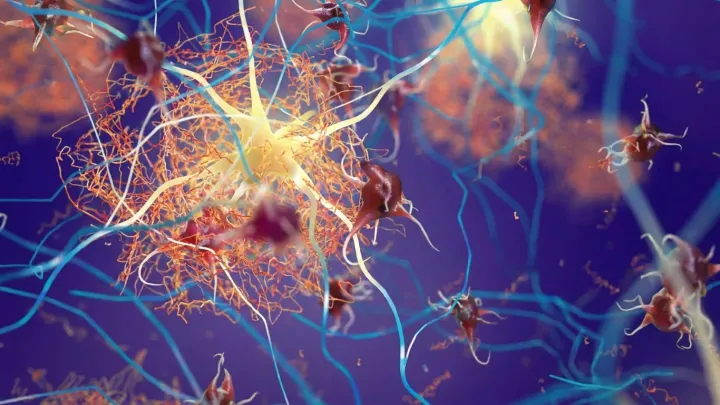
The work challenges the long dominance of neuron-centered strategies. Instead, it puts astrocytes, the star-shaped glial cells once dismissed as support staff, at the center of the story, showing that when Sox9 expression is increased these cells intensify phagocytosis and reshape synaptic homeostasis in brain regions already burdened by amyloid pathology. In mice that had begun to show learning and memory deficits on behavioral tests, activating this Sox9-driven program reduced plaque accumulation and stabilized performance over extended observation, even without directly targeting amyloid with antibodies or small molecules.
What emerges is a quiet but radical idea. By reprogramming intracellular transcriptional networks in non-neuronal cells, the brain can be coaxed to modulate neuroinflammation and restore clearance of aggregated proteins from within its existing circuitry, turning astrocytes from bystanders into active stewards of cognitive function.