Lower diabetes rates at high altitude now have a plausible biological script. In low oxygen, red blood cells appear to pull extra glucose out of circulation and divert it into a pathway that fine tunes how much oxygen they unload into surrounding tissues, according to a new study that links environmental stress to metabolic control.
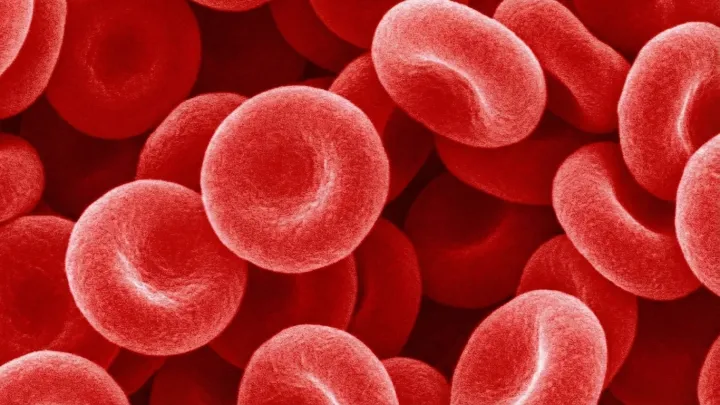
The work focuses on hypoxia, the state of reduced oxygen availability, and on how erythrocytes handle glucose when air gets thin. Instead of simply burning sugar for energy, the cells channel more of it into glycolysis and the production of 2,3‑bisphosphoglycerate, a molecule that loosens hemoglobin’s grip on oxygen. By increasing this compound, the blood effectively adjusts its own oxygen delivery curve, a shift that also lowers circulating glucose and alters the body’s baseline metabolic rate.
This mechanism offers a fresh angle on why populations living at higher elevations tend to show lower rates of type 2 diabetes, even after accounting for diet and physical activity. It suggests that altitude acts as a standing intervention, pushing red blood cells into a different equilibrium of glucose use and oxygen release. For drug developers, the study hints at a new set of metabolic levers: mimic the hypoxic signal in blood cells, recalibrate glucose uptake, and potentially redesign how the body manages sugar without changing the landscape outside the lab.