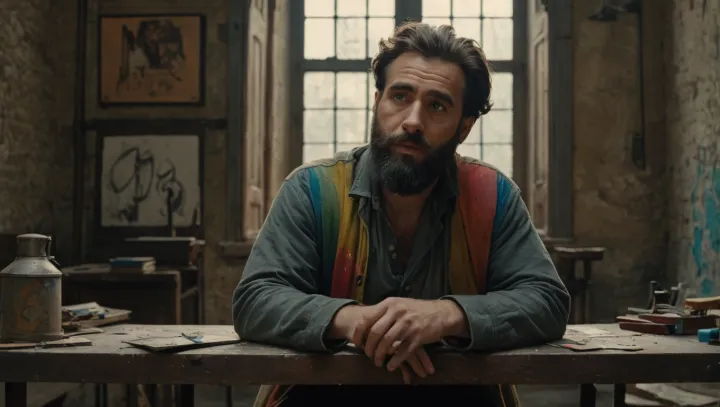
A remarkable story unfolds in the art world as the incarcerated artist from Wes Anderson's acclaimed film 'The French Dispatch' continues to create masterpieces from behind bars. The movie, known for its quirky and vivid portrayal of characters, introduces audiences to Moses Rosenthaler, played by Benicio del Toro, whose unconventional paintings catch the eye of the art scene.
Set in the fictional French town of Ennui-sur-Blasé, the story has captivated viewers and critics alike. Rosenthaler, serving a sentence for murder, finds solace and expression through his art, becoming a sensation almost overnight. It raises compelling questions about the essence of art, redemption, and the transformative power of creativity under constraint.
The film has not only received praise for its artistic direction but has also sparked discussions about the nature of art produced in confinement. Are limitations a hindrance, or do they fuel greater innovation? Moses Rosenthaler's character and his art suggest the latter.
The movie, featured in international film festivals, has propelled the discussion into the spotlight. Art enthusiasts and curators from around the world are now flocking to local galleries to witness re-creations of the character's artworks, showcasing a blend of raw emotion and vivid imagination.
The French Dispatch itself, a magazine within the film's narrative, draws parallels with actual publications that deeply invest in the stories of unique individuals, offering a multi-dimensional look at the human condition. Rosenthaler's tale is one of persistence, talent flourishing in the face of adversity, and the endurance of the human spirit.
As the film rides a wave of popularity, it begs the question - what is the next chapter for Rosenthaler? The character's journey has touched many and symbolizes hope, a notion that art is a gateway to freedom, capable of transcending even the most rigid barriers.