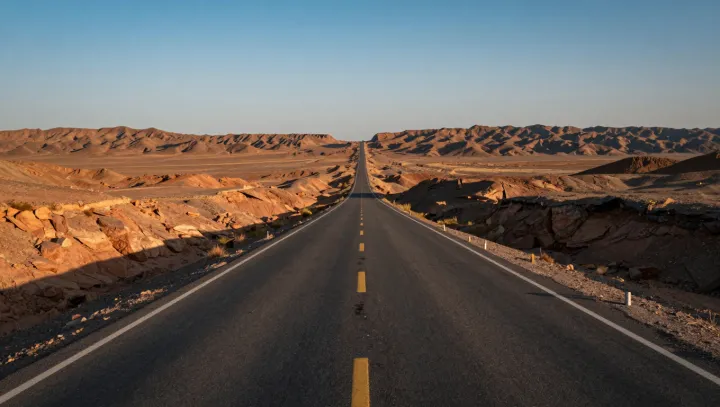
Empty is the wrong word for a desert seen from a highway. Sand hides more design per square meter than many forests, because extreme heat and aridity act as a strict ecological filter that only highly specialized organisms can pass.
Harshness, not comfort, often builds diversity. When temperature, vapor pressure deficit, and chronic water stress strip away generalist competitors, what remains is an arena where narrow adaptations pay off: plants with crassulacean acid metabolism storing carbon at night, beetles harvesting fog on micro‑textured shells, reptiles using behavioral thermoregulation to minute precision. Each survival trick carves out a microhabitat only a few rivals can use.
Isolation then locks in difference. Many deserts are ringed by mountains or seas, forming biogeographic islands where gene flow slows and speciation accelerates. Over time, high endemism emerges: lineages of cacti, geckos, and nocturnal rodents so tightly tuned to salinity, soil albedo, or pulsed rain events that they vanish if moved a short distance. The highway view edits out the real story, which plays out at millimeter scale, under stones, in burrows, and inside tissues that treat water like currency and heat like a sculptor.