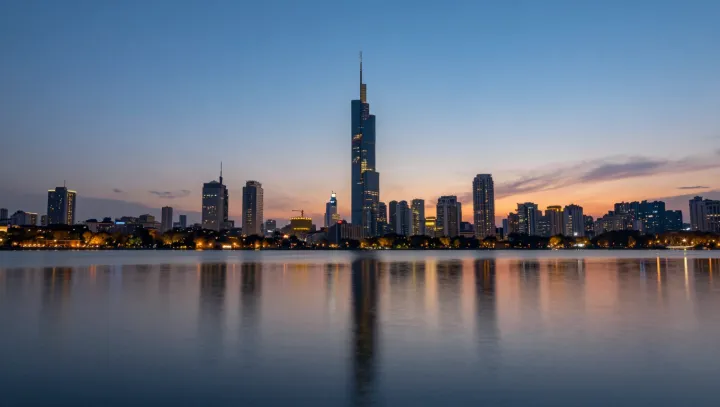
Steel and glass keep marching to the water’s edge because cities trust profit more than they fear floods. Ports came first. Deep natural harbors, sheltered bays, and river mouths concentrated trade, then customs houses, then banks and exchanges. Skyscrapers simply follow sunk infrastructure: dredged channels, container terminals, subway tunnels, power grids. When floor area ratios climb, every meter closer to the docks still prices higher than inland plots on most balance sheets.
The uncomfortable truth is that actuarial tables, not storm photos, steer many skylines. Insurers, using probabilistic catastrophe models and hydrodynamic simulations, still treat many prime waterfronts as tolerable risk if premiums, deductibles, and reinsurance spreads are set high enough. Developers respond with a familiar toolkit: elevated podiums, sacrificial ground floors, sea walls, tide gates, and pumped drainage. Structural engineers now design for storm surge and hydrostatic pressure the way they once focused on wind load alone, turning basements into sealed boxes or writing them off as expendable space.
There is also a political wager hiding in plain sight. Dense coastal cores expect public money to underwrite adaptation: higher levees, restored wetlands, surge barriers, even managed retreat elsewhere to keep the downtown dry. Waterfront skylines persist because capital assumes it will not be left alone with the bill, and because the view across calm water still commands a premium that spreadsheets, so far, refuse to give up.