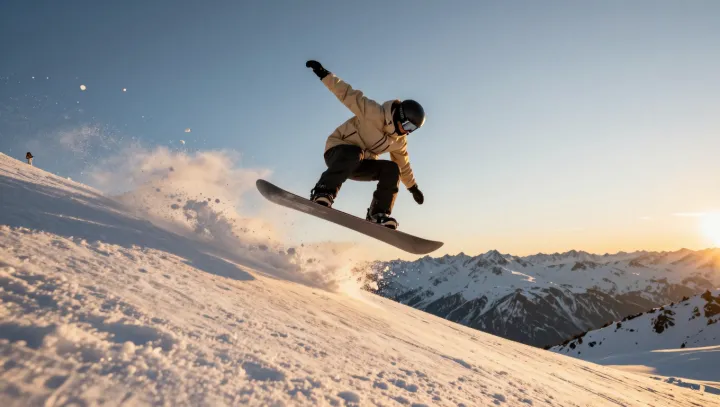
A wooden plank did what no committee ever could. It forced the gatekeepers of ski culture to admit that control on snow was up for grabs, once resorts that had banned snowboards realised the ban itself had turned into free marketing for a new tribe.
The uncomfortable truth is that snowboarding won less by performance metrics than by attitude arbitrage, as halfpipe broadcasts and slopestyle coverage hacked into prime-time slots that ski racing rarely reached, converting airtime into a persistent youth-coded aesthetic that advertisers could not resist. Where early riders were ticketed or escorted off lifts, sponsors later paid them to fall spectacularly on camera, because risk, framed in slow motion and fish‑eye lenses, sold more hoodies than any polished alpine podium ever did.
Even stranger is how a binding stance became a dress code. Baggy outerwear, skate‑derived graphics and asymmetrical cuts migrated from lift lines into streetwear collections, turning mountain day passes into informal visas for a global subculture that recognised each other by silhouette long before by passport. Board brands stopped selling only hardware and started selling myth, with video parts functioning as syndicated short films in which riders authored their own physics and their own ideas of liberty, carving private lines on public mountains and exporting that visual grammar to anyone holding a screen.
So a sideways plank, once dismissed as a toy, now hangs in closets and on walls as much as in racks, a slim piece of wood and metal that still promises something most travel documents only print: permission to redraw the map for yourself.