
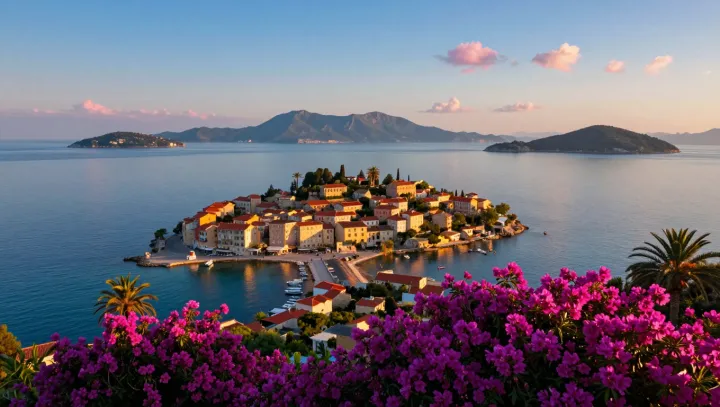
A working harbour can be a better cash machine than a flawless beach. Not by accident, but because the harbour view sells scarcity, while sand is interchangeable along much of the Mediterranean coast and competes on price.
Harbourfront rooms command a premium, and that is no aesthetic fluke. Revenue per available room rises when guests pay for a sense of story, for boats unloading catch, for cranes moving slowly, for rooftops stacked like a model of urban density. A stretch of sand offers sun and water, but every neighbouring resort offers the same, pulling the town into a zero-sum discount spiral. Operators selling rooflines and cargo movement instead build a pricing moat around the only view that cannot be reproduced a few coves away.
The real upside lies in how people behave when they buy that view. Visitors who come for a harbour stay longer, spend more on food and wine, and walk the back streets that support small retailers, rather than shuttling between hotel and beach lounger. Terracotta roofs and narrow alleys turn the town itself into the product, so restaurants, galleries and rental hosts can leverage a closed-loop ecosystem where each extra hour in town feeds multiple tills. The beach remains a nice add-on. The skyline pays the bills.