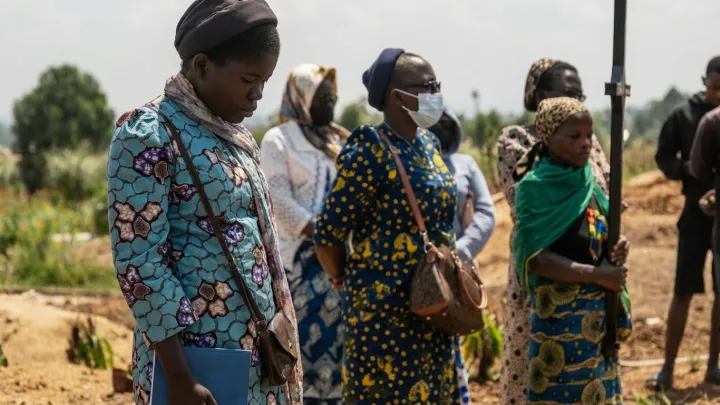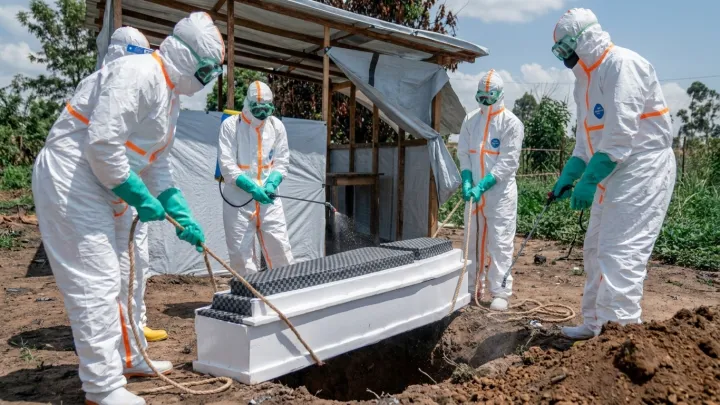
Speed, not scale, is what alarms epidemiologists. A new Ebola outbreak in the Democratic Republic of Congo is expanding fast, and more than 70 doctors, nurses and support staff have already been infected while treating patients with limited protective gear.
The real accelerant is not the virus alone but the conditions around it. Displacement camps packed with families lack safe water systems, latrines and basic infection prevention and control, turning every shared bucket and jerrycan into a potential vector. As people move between informal shelters and nearby towns, contact tracing teams struggle to maintain the rigorous case investigation and isolation protocols that Ebola containment demands.
What makes this surge especially dangerous is the timing of shrinking budgets. Several aid agencies have reduced operations, leaving gaps in personal protective equipment, chlorine supplies and clinical staffing just as the caseload rises. Without sustained funding for surveillance, triage and community-based risk communication, the outbreak response risks becoming reactive instead of strategic, and in Ebola epidemiology that shift can be fatal.