
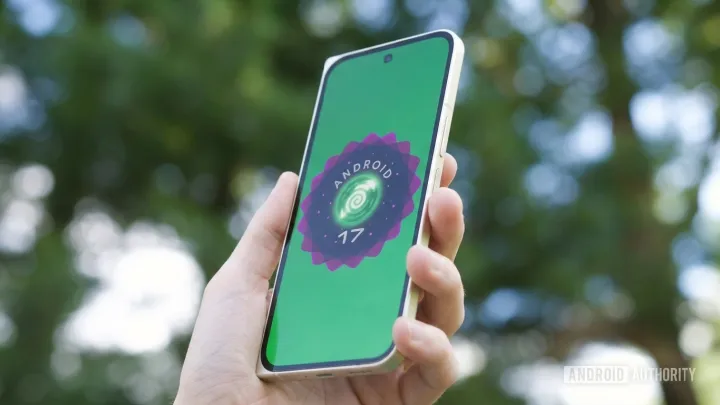
Android 17 looks less like an upgrade than a network outage for a slice of Pixel owners. Reports across support forums describe phones dropping from 5G to slower bands, or losing mobile data entirely, once the new build installs and reboots. Some devices then surface a second surprise: eSIM profiles vanish from settings, as if the handset had never been provisioned.
What sounds like user error is instead pointing toward a nasty interaction between the radio firmware stack and the operating system’s telephony framework. Users describe status bars stuck on emergency-only access, while the baseband modem still passes internal diagnostics. In several cases, manual APN reconfiguration and SIM reseating fail, which suggests a higher-layer signaling fault rather than a simple carrier misconfiguration.
Most alarming for frequent travelers is the eSIM behavior. Once Android 17 is installed, some Pixels no longer expose previously stored eSIMs, blocking authentication on foreign networks and breaking dual-line setups. Because eSIM relies on remote provisioning servers and embedded secure elements, a glitch at the OS interface can strand users until a patch reestablishes that handshake. Google has acknowledged the complaints and is working with carriers on a software fix, while affected owners are left juggling Wi-Fi, physical SIM swaps, or temporary rollbacks.