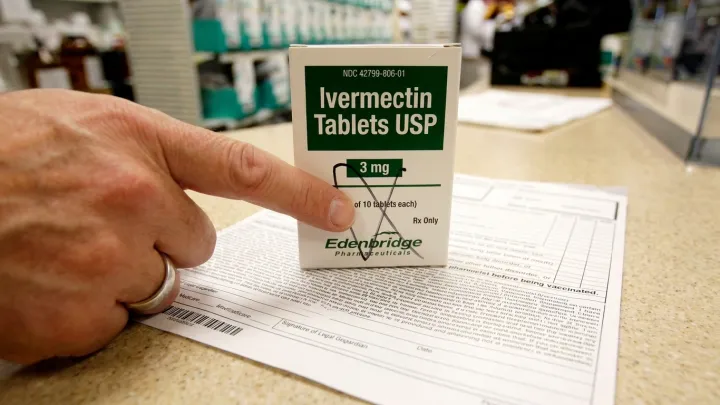
Ivermectin now sits at the center of a new cancer controversy, not a virus debate. Online forums, video channels and fringe clinics promote the livestock dewormer as an alternative to chemotherapy, framing it as a hidden cure that drug companies allegedly ignore.
Oncologists call that narrative dangerous, yet they meet it in exam rooms every day. Patients arrive with printouts, Telegram screenshots and mechanistic claims about apoptosis and cell cycle arrest in petri dishes, insisting those laboratory findings prove the drug can shrink tumors in humans.
Researchers agree on one hard line: there is no high‑quality clinical trial showing ivermectin improves cancer survival or progression‑free survival. Most cited studies are in vitro experiments or small animal models, often at concentrations far above safe plasma levels in people, raising basic pharmacokinetic and toxicity concerns.
The shift toward ivermectin reflects more than science confusion; it exposes distrust in oncology itself. Chemo side effects, past medical scandals and social media echo chambers combine into a potent mix, where an inexpensive, familiar antiparasitic looks cleaner than cytotoxic agents, despite lacking validated dose, schedule or safety profile in this setting.
Regulators and cancer societies now issue blunt advisories, warning that substituting ivermectin for evidence‑based regimens risks delayed treatment, disease progression and organ damage from overdosing. Between a plastic syringe of animal paste and an infusion chair, the gap is no longer just medical, but psychological and political.