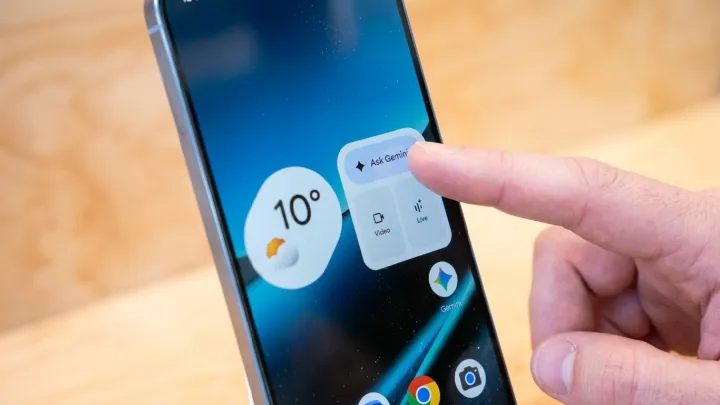
Homescreens are not supposed to forget. Yet some Google Pixel devices running Android 17 are doing exactly that, stripping away long‑standing widgets after the update and leaving clean grids where users had carefully arranged live information tiles.
This looks less like a minor glitch and more like a reminder of how fragile Android personalization can be when system processes change. Reports from Pixel owners describe clocks, calendars, media controls and smart‑home widgets vanishing after the install, as if the launcher database or widget host configuration had been partially reset during the operating system migration and failed to rebind those components.
The real frustration sits in the gap between expectation and implementation. Users assume that launcher layouts are fully preserved by backup and restore, yet widget states often depend on app‑specific permissions, background process limits and host UIDs that can shift across major builds, so any mismatch during the update can cause the framework to silently discard placements rather than attempt a risky reattachment.
What this incident exposes is a persistent design trade‑off. Android has long promoted widgets as first‑class surface elements, but the durability of those elements still hinges on how well the launcher, Backup Manager and individual apps coordinate their metadata, and a single misalignment can turn a carefully tuned homescreen into a blank canvas without warning.