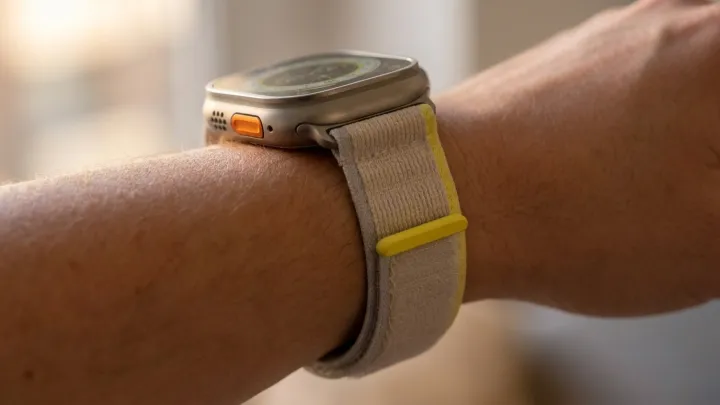
watchOS 27 looks ruthless on paper. A whole slice of the Apple Watch catalog falls off the support matrix, and the pattern is not about fashion cycles but physics and silicon limits baked into early designs.
This cull is less corporate cruelty than thermal math. New features lean on heavier neural network inference, continuous sensor fusion and higher refresh animations, which hammer aging System in Package generations and their modest GPU blocks, forcing constant throttling and ugly latency spikes on small wrists.
Apple is also quietly protecting batteries. Those first adopters carry cells with reduced charge cycles and higher internal resistance; pushing permanent background heart analysis, more frequent GPS locks and richer haptics would accelerate chemical aging, trigger shutdown safeguards and wreck the experience users think a premium watch should guarantee.
There is strategy here, but not only upsell pressure. Maintaining full regression testing, security hardening and Bluetooth stack tuning across too many radio and sensor combinations turns software updates into a zero-sum game, so Apple prunes the tree to keep a tight, testable set of hardware where new health algorithms can be leveraged without collapsing reliability.