
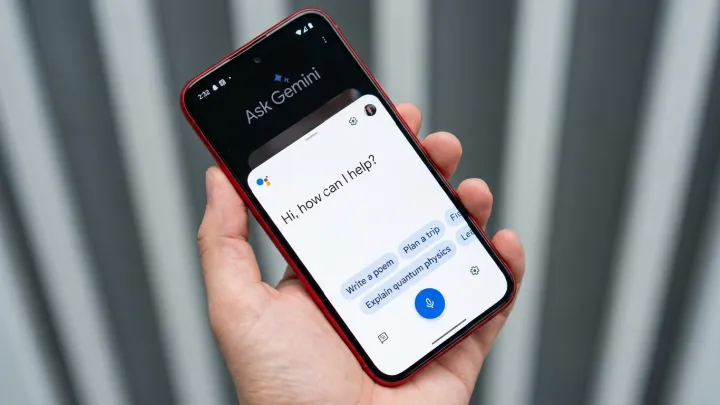
Gemini is turning a routine car command into a dead end. Reports from Android and Android Auto users indicate the assistant now often refuses or fails to place voice calls, after Google pushed people away from the older Assistant interface inside the car.
This looks less like growing pain and more like an avoidable regression, because call handling is the one feature an in‑car assistant cannot fumble without undermining trust. Users describe prompts where Gemini acknowledges the request, then stalls or returns generic errors, breaking a workflow that had been stable under Google Assistant. On Android Auto, the issue is sharper: drivers rely on hands‑free calls to comply with road safety laws and to keep their eyes off the display, so even a subtle change in latency or intent parsing turns into a practical hazard rather than a minor annoyance.
What stands out is how this transition exposes the fragility of Google’s AI strategy on phones and dashboards. By steering users toward Gemini while still relying on the same telephony APIs and Bluetooth profiles, Google has changed the interaction layer without guaranteeing parity on basic call controls like contact resolution and call initiation. Support threads now read like a stress test of that decision, as some users roll back, disable Gemini, or abandon voice entirely when driving. For an assistant that aspires to handle rich multimodal queries, failing at a simple call command is a stark reminder of where reliability still starts.