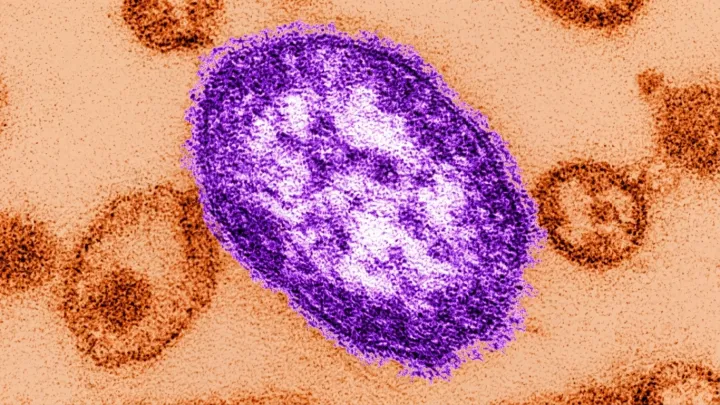
One measles diagnosis is already one too many for a state that thought this virus was mostly history. Connecticut health officials reported the first confirmed case, identified through routine surveillance after a resident sought care with fever, cough and a characteristic rash. Laboratory testing using polymerase chain reaction and serologic analysis confirmed measles infection in a person with recent international travel.
The real concern sits in the incubation window, not the headline case count. Measles can spread through airborne transmission for hours in enclosed spaces, while patients remain infectious before the rash appears, which means contact tracing now matters more than any press release. The state health department said it is notifying health care facilities, schools and airlines as it identifies potential exposures and checks immunization records.
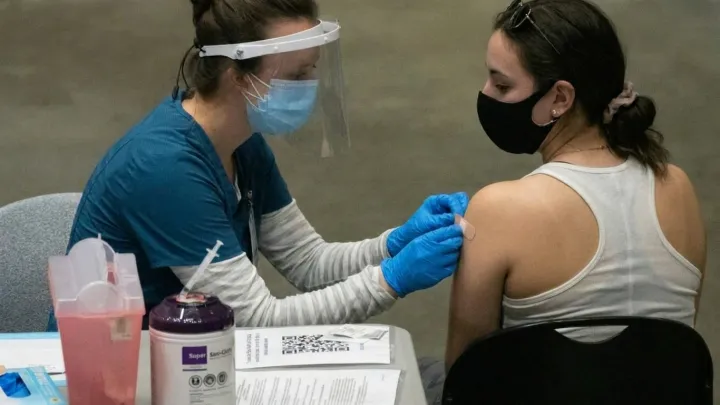
Public health leaders are betting, again, on a tool that works only when people use it. The measles, mumps and rubella vaccine provides long lasting protection by inducing neutralizing antibodies and cellular immune memory, yet pockets of under‑immunized residents leave openings that the virus exploits quickly. Officials urged anyone lacking documented vaccination or unsure of their status to consult clinicians, while laboratories expand genotyping to determine whether this strain links to other recent outbreaks.