
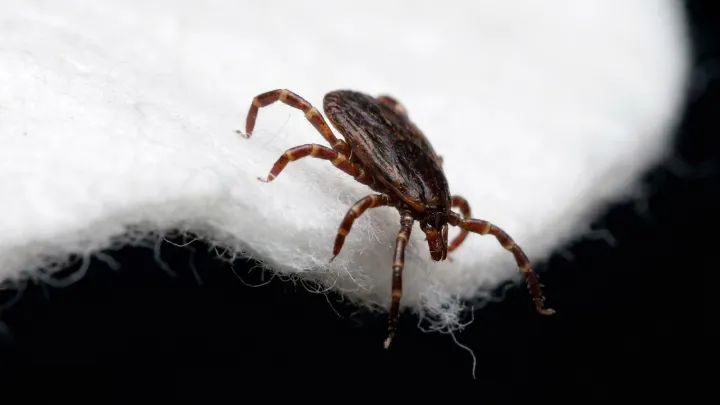
Tick saliva, almost invisible on skin, is now dictating the life of a Concord resident in a New Hampshire hospital. Doctors say the man developed a severe tick-borne illness after an outdoor exposure, progressing from flu-like symptoms to multi-organ complications that required intensive monitoring and prolonged treatment.
Local clinicians argue this case is less a rarity than a warning signal, pointing to steady reports of Lyme disease, anaplasmosis and babesiosis across the region, where Borrelia burgdorferi and other pathogens circulate through deer ticks and trigger systemic inflammation, hematologic changes and, in some cases, neurologic involvement. The Concord patient, according to hospital staff, arrived with high fever, profound fatigue and abnormal laboratory markers that prompted immediate infectious disease consultation and intravenous antimicrobial therapy.
Public health officials contend that the real failure lies in underestimating the tick as a vector, not as a nuisance, given that a single undetected bite can transmit multiple organisms and lead to weeks of incapacitation, lost wages and extended rehabilitation. They emphasize routine tick checks, use of repellents containing DEET, and early medical evaluation for fever, rash or unexplained aches after time in brush or wooded areas, noting that delayed diagnosis sharply increases the chance of hospitalization and long recovery.