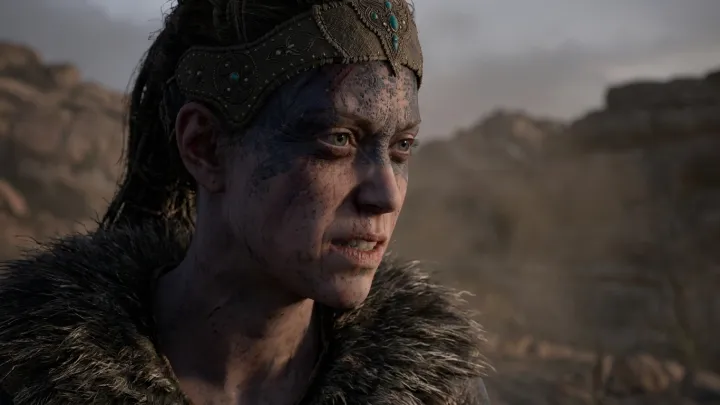
Shock defines this move. Xbox is shutting down Ninja Theory, the British studio behind Hellblade and its recent sequel, only days after confirming that another Senua project had entered production under its first‑party umbrella. The decision lands without a clear public roadmap, beyond internal restructuring and cost discipline across Microsoft’s gaming division.
The uncomfortable truth is that Senua now looks less like a flagship and more like collateral. Ninja Theory’s reputation rested on performance capture, binaural audio, and an obsessive focus on psychosis representation that pushed production pipelines and cognitive science consultants into the heart of its design culture. With the team disbanded, intellectual property ownership stays with Xbox, yet the craftsmanship and tacit know‑how that defined Hellblade’s identity scatter across the industry.
For Xbox, this is not just a headcount decision; it is a signal about how it intends to leverage its content portfolio in a zero-sum subscription fight. The company can outsource sequels, spin off the Senua name to another internal studio, or quietly freeze development, but each option weakens the perceived moat around its narrative‑driven catalog. Fans, and rivals, will read that silence as strategy.