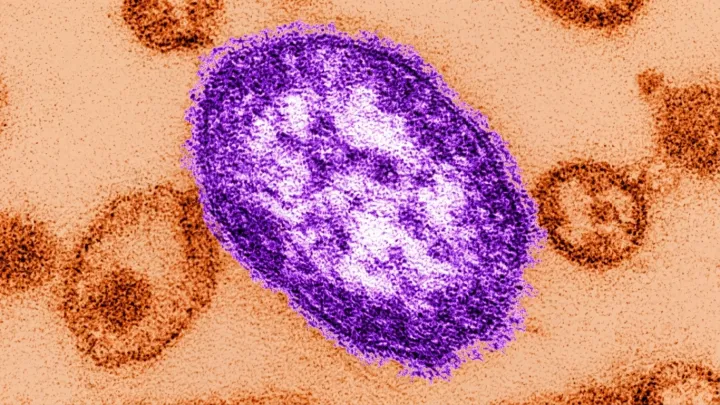

An ordinary notice board in California now carries a stark claim: the state has identified what officials describe as the world’s most infectious disease case linked to public exposure sites. Behind that blunt phrasing sits a chain of transmission that moved through crowded transport hubs, entertainment venues and retail centers before a single patient was confirmed and isolated.
Public health officers argue this is less a mystery outbreak than a stress test of modern containment systems, because the pathogen’s basic reproduction number and documented airborne spread demand aggressive nonpharmaceutical interventions. Health departments have published detailed exposure windows and addresses for several high-traffic locations, warning that anyone present during those periods may have inhaled infectious droplets or aerosols, even without close contact or visible symptoms on site.
Officials contend the real risk now lies not only in the pathogen but in the lag of human behavior, as delayed self-reporting can undermine contact tracing and syndromic surveillance designed to interrupt transmission chains. Residents who visited the named sites during the listed time frames are being urged to monitor for early respiratory or systemic signs, seek diagnostic testing under local protocols, and follow isolation guidance if advised by clinicians or public health agencies.