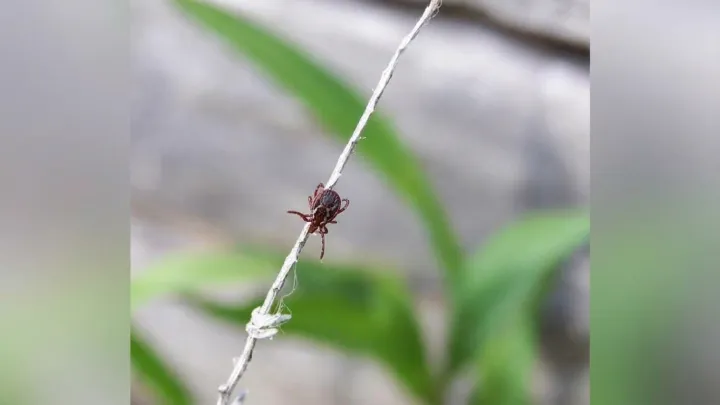
Mild winter is not a blessing for anyone who walks through grass. It is a growth strategy for ticks, which survive cold snaps more easily when temperatures hover near freezing and snow cover is thin, allowing more of them to reach the next life stage and seek blood hosts for longer stretches of the year.
The uncomfortable truth is that a single tick bite can deliver a complex package of pathogens. Lyme disease stems from Borrelia burgdorferi, a spirochete that targets joints, nerves, even the cardiac conduction system, while Rickettsia rickettsii drives Rocky Mountain spotted fever with vascular inflammation that can progress fast. Tularemia and Colorado tick fever add bacterial and viral threats to the same small bite.
Avoiding them takes discipline, not gadgets. Use an Environmental Protection Agency–registered repellent containing DEET or picaridin on exposed skin, and treat clothing with permethrin, which disrupts sodium channels in the tick nervous system and kills on contact. Choose light-colored pants, tuck them into socks, and favor smooth trails over brush where questing ticks cling to low vegetation.
The most underrated defense is routine. Shower soon after being outdoors to wash off unattached ticks, run hands and eyes over scalp, ears, armpits, waistband and behind knees, and check children and pets with the same methodical pattern every time. Early removal with fine-tipped tweezers sharply lowers the odds that any hidden pathogen has enough hours to move from tick gut to human blood.