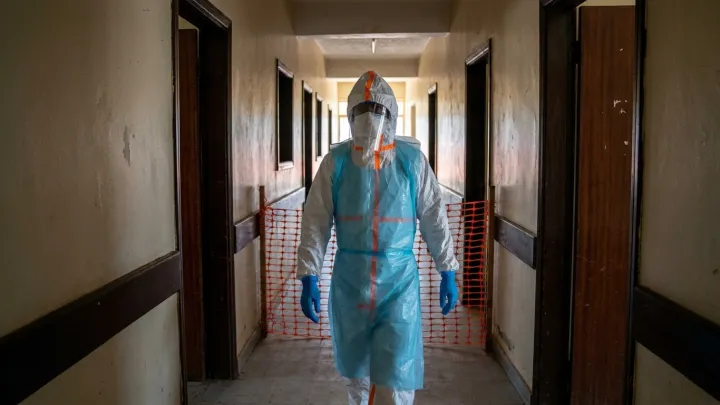
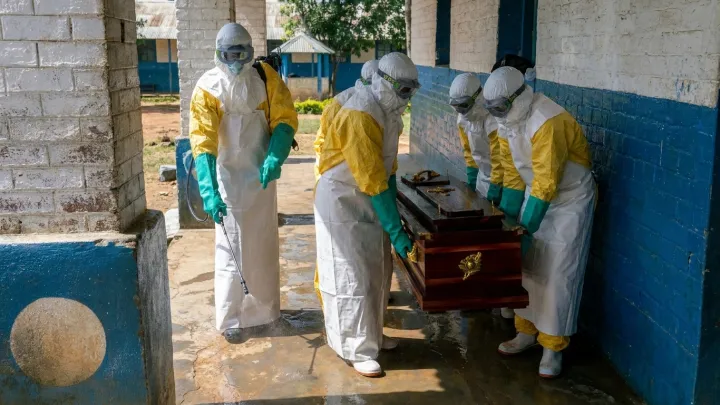
Bundibugyo virus was supposed to stay obscure. Now it sits at the center of an expanding Ebola crisis in Africa, exposing how thin the global defense really is when a rare viral lineage escapes the shadows and starts moving through communities with limited clinical capacity.
Scientists argue the real shock is not the virus but the gap in tools. Existing Ebola vaccines mainly target Zaire ebolavirus, using glycoprotein antigens that do not perfectly match Bundibugyo, so immunogenicity data are shaky and protection remains uncertain as case clusters widen and contacts scatter across porous borders.
Researchers insist speed is possible. Adaptive trial platforms, viral genome sequencing and monoclonal antibody cocktails offer a narrow path, yet each candidate must prove neutralization against this distinct filovirus subtype, while field teams struggle with cold-chain logistics, personal protective equipment shortages and basic infection-prevention protocols.
The harsh truth is that Bundibugyo virus now doubles as a stress test. It exposes whether global health agencies can leverage emergency funding, close the loop between lab findings and bedside practice, and turn experimental vaccines and antivirals into real doses in rural clinics before the epidemic redraws the map again.