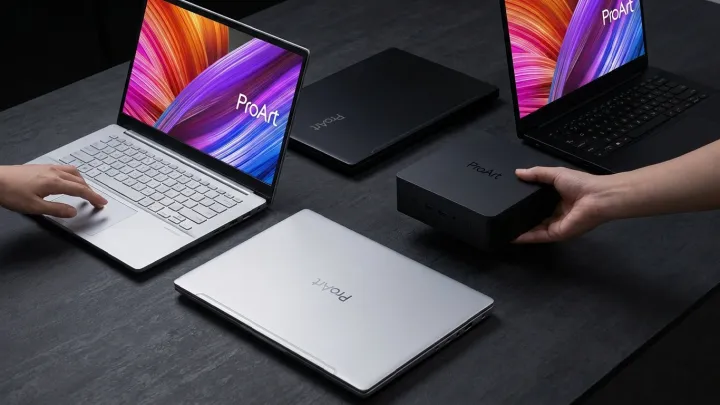
Nvidia’s new push feels less like a side bet and more like a direct assault on the CPU market. AI agent PCs from Microsoft, Dell and HP give the graphics champion a fresh route into the heart of personal computing, right where x86 incumbents once held near-total control.
The wager is blunt: if AI agents become as standard as file explorers or web browsers, the chip that runs them becomes the strategic anchor, and Nvidia wants that anchor to be its accelerated platforms rather than a traditional central processor. By tying large language models and retrieval-augmented generation to on-device GPUs, and then wrapping them in Microsoft’s Copilot stack, these machines try to turn AI from a cloud novelty into a default local service. That is how a graphics specialist starts to peel revenue away from a market measured in hundreds of billions of dollars.
Skeptics will argue that users do not need another assistant, yet the pitch here is different: agents that can act across email, documents and enterprise software without shipping every token of data to remote data centers. Latency, bandwidth and data residency constraints suddenly become selling points for buying a new PC, not just for renewing a cloud contract. If Nvidia has really found a reliable way to package that promise so that big OEMs can ship it at volume, the line between GPU and CPU dominance starts to blur.