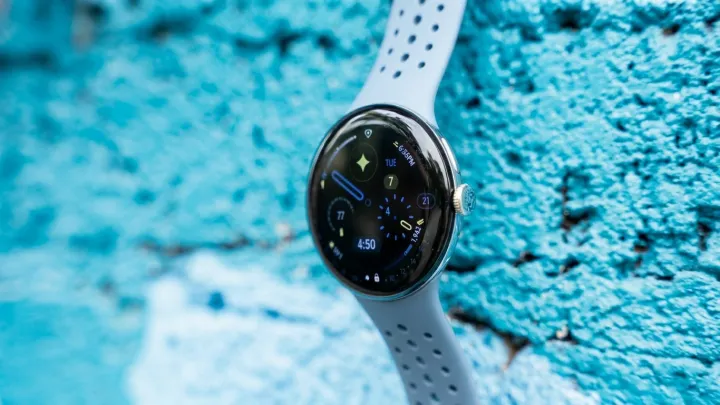
Salt on metal tells the story faster than any press release. An alleged Pixel Watch 5, pulled from the ocean by a recreational diver, has surfaced online as the latest uninvited preview of Google’s wearables roadmap, keeping alive a leak culture that long ago slipped beyond corporate control.
Leak watchers argue this is not an accident but a pattern. Prototype devices drift into public view through bars, taxis, recycling streams and now seawater, exposing unfinished industrial design and silicon choices before marketing teams are ready, much as that infamous lost iPhone once rewired how companies think about hardware secrecy and chain‑of‑custody discipline.
What makes this alleged watch notable is not its specs, which remain unverified, but the logistics failure it implies. A prototype reaching the ocean hints at gaps in asset tracking, secure field testing protocols and non‑disclosure enforcement, weak points that competitors and modders happily exploit while brands try to preserve launch‑day surprise and pricing power.
Skeptics see another possibility. With online hype now a core part of product strategy, the line between accidental loss and calculated tease grows thin, leaving every corroded chassis and blurry wrist shot to double as both evidence and marketing, depending on who ends up telling the story.