
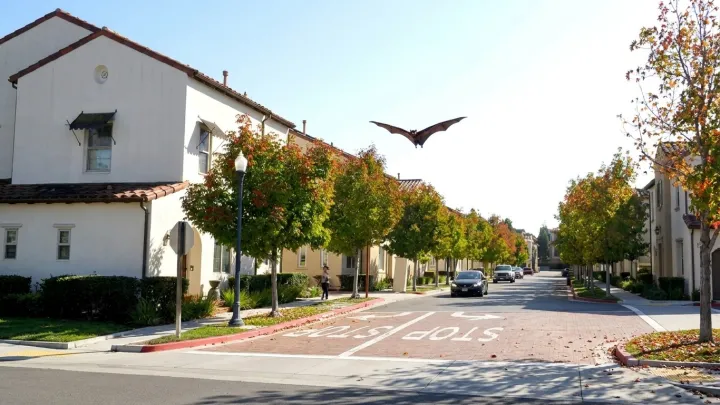
Rabies rarely makes headlines until it lands on the doorstep. A single bat, confirmed rabid after testing by local health officials, was recovered near a Bay Area residential neighborhood, prompting police to issue an immediate warning about possible exposure to residents and their pets.
Public health officers argue this is not a niche wildlife story but a direct reminder of how neurotropic viruses move silently through familiar spaces, exploiting gaps in routine vaccination and bite reporting. Rabies, caused by a Lyssavirus that attacks the central nervous system, remains almost uniformly fatal once clinical signs appear, which is why authorities are stressing post‑exposure prophylaxis and strict verification of pet vaccination records.
Police contend the real risk now lies in what people fail to notice. Officers are asking anyone who may have handled a bat, found unexplained bite marks, or seen pets interact with wildlife to contact animal control and medical providers, stressing that even minor saliva contact with mucous membranes can be significant. Animal services teams are canvassing the area, distributing information on immunoglobulin treatment, and pushing residents to keep pets indoors during peak bat activity, as a quiet neighborhood has abruptly become a test of how seriously a community treats a virus that allows no second chances.