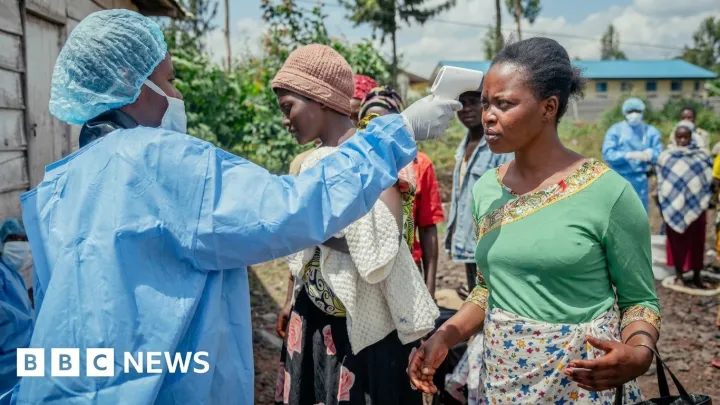
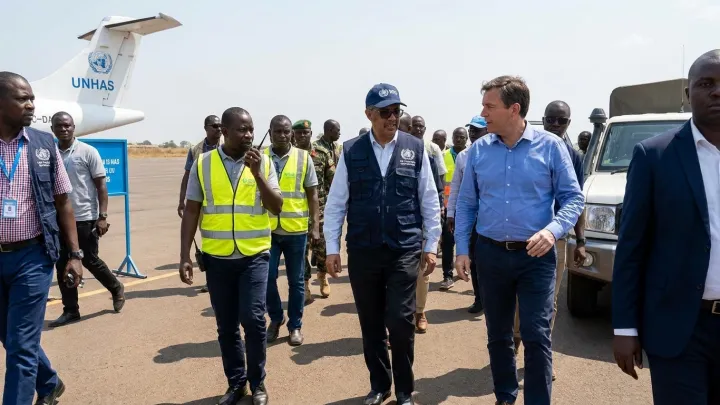
Warning signs, not reassurances, now define the Ebola zone in eastern Congo as rising case numbers outstrip the capacity of response teams on the ground. The visit by the World Health Organization director-general to the outbreak epicenter underscores a hard truth: transmission is expanding faster than treatment centers, isolation wards, and contact tracing lines can be organized in a region already strained by conflict and mistrust.
This journey looks less like symbolic diplomacy and more like triage politics, because every delay in scaling basic infection prevention and control translates into longer chains of viral spread. Field staff report suspected and confirmed cases emerging beyond original clusters, while laboratory confirmation and surveillance often lag behind, constrained by security checkpoints and damaged infrastructure. Vaccination teams using the rVSV-ZEBOV vaccine push ring immunization strategies, yet gaps in cold-chain logistics and incomplete case reporting leave pockets of unprotected contacts.
Most telling is how community resistance, not the virus alone, shapes the curve, as rumors, fear of isolation units, and attacks on clinics blunt the impact of case management protocols and safe burial practices. Limited intensive care capacity, including shortages of personal protective equipment and trained clinicians, forces grim prioritization in treatment units. Into this fraught setting walks the WHO chief, hoping high-level attention can unlock access, funding, and security guarantees before the outbreak redraws the epidemiological map of the region.