Speed now defines this Ebola crisis. Case numbers in eastern DR Congo are climbing faster than in any previous recorded outbreak, according to Médicins Sans Frontières, which says no earlier flare-up produced so many infections so soon after formal declaration.
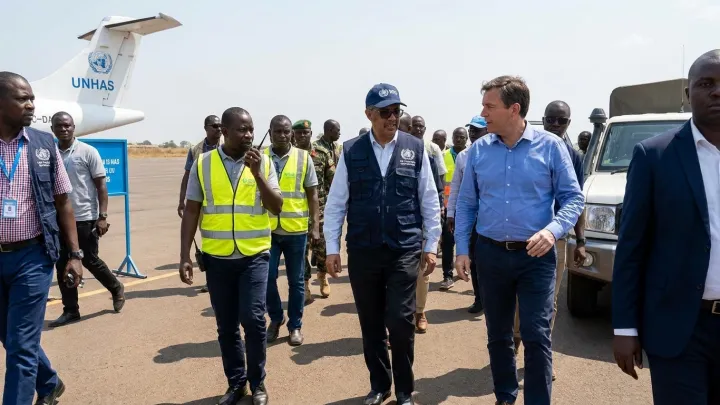
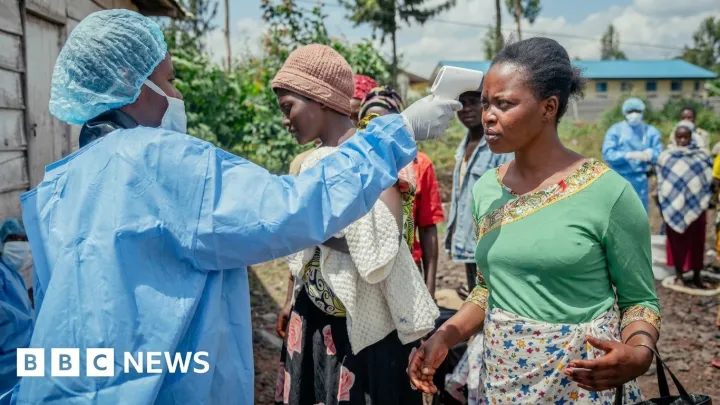
This is not just another grim statistic; it is a structural failure in outbreak control, with epidemiologists tracking sustained transmission chains across densely populated zones and along major transport corridors. MSF teams report treatment centers operating under constant threat from local insecurity, while infection-prevention protocols such as isolation wards and contact tracing struggle against armed group activity and deep community mistrust. The World Health Organization director-general has traveled into the worst-hit area to meet local health staff and authorities, seeking to reinforce coordination of surveillance, case management, and ring vaccination strategies around confirmed patients.
The sharper warning from MSF reflects a belief that current containment tools are being outpaced by social and political conditions on the ground. Public health officials describe difficulties in maintaining cold-chain integrity for the experimental vaccine and in enforcing safe-burial procedures that conflict with local custom. Under-resourced clinics, weak laboratory capacity for rapid polymerase chain reaction testing, and repeated disruptions to field teams have combined to give the virus an advantage it rarely enjoys for long.