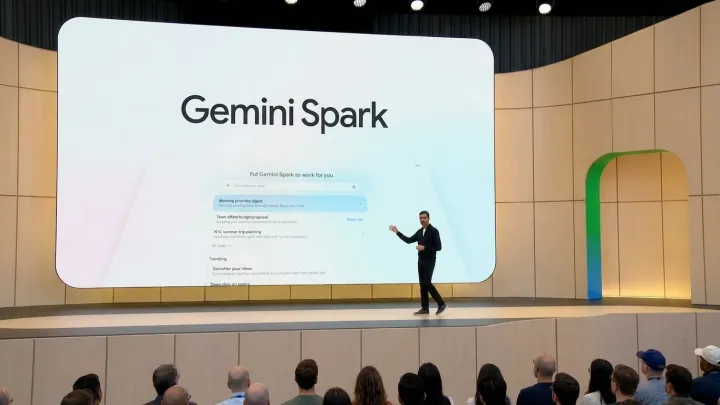
Gemini Spark feels less like a breakthrough and more like a background utility that finally works. Open a cluttered inbox, and Spark condenses threads, flags deadlines, and proposes quick replies, stitching together signals from mail, calendar, and search history into one running context you never explicitly curate.
The surprise is how mundane that power is. Ask for a weekend plan, and Spark cross‑checks your usual neighborhoods, transit options, and prior searches, then composes a schedule with venues, timing suggestions, and booking links in a single conversational turn, exploiting entity recognition and retrieval‑augmented generation rather than flashy chat tricks.
What makes less sense is the product wrapper. Instead of folding this continuous context engine into Gmail or the main Gemini interface, Google has parked it in a distinct assistant with its own branding, settings, and discovery path, fracturing the feedback loop that could refine its ranking models and user trust.
The result is a tool that quietly saves minutes on email, errands, and micro‑planning yet demands extra cognitive overhead just to remember where it lives, an efficiency play trapped inside an awkward product split.