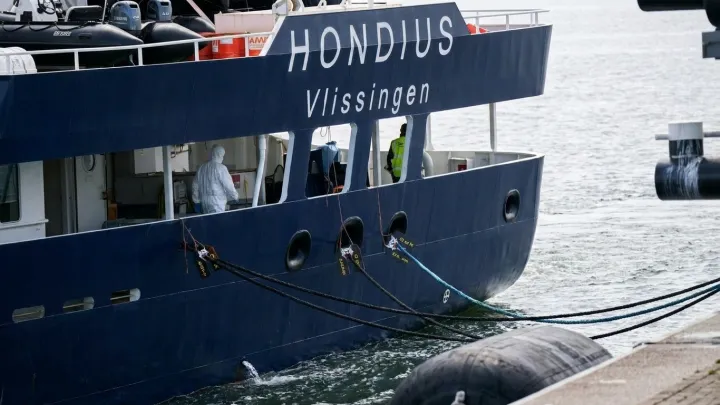
Silence on the quay tells the story first. A cruise ship tied up in a Dutch port is undergoing extended decontamination after a hantavirus outbreak linked to deaths among people who had sailed on board, according to health officials overseeing the response.
Public health authorities appear unconvinced by routine cleaning standards. The vessel is now subject to enhanced disinfection protocols targeting rodent reservoirs, with specialist teams focusing on food storage areas, waste handling systems, ductwork and soft furnishings where aerosolized particles from rodent excreta could persist and trigger hantavirus pulmonary syndrome.
The cruise industry likes to project control, yet this incident exposes a structural weakness in vector management on large passenger ships, where dense occupancy, complex ventilation and frequent port calls can complicate rodent exclusion and environmental surveillance for zoonotic viruses that spread through inhalation rather than direct person to person contact.
Dutch inspectors are expected to clear the ship for departure only after repeat environmental sampling and verification that integrated pest management and cleaning regimes meet tightened infection prevention benchmarks, a process that may unsettle passengers and ports far beyond this harbor.