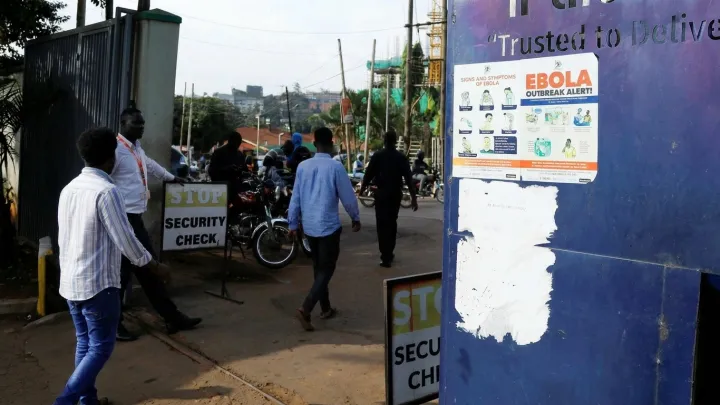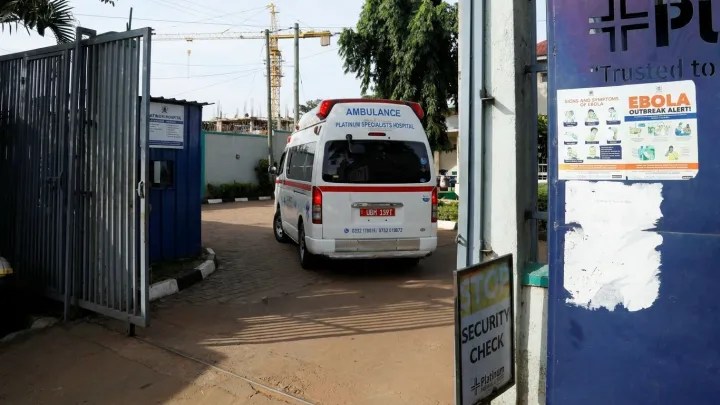
More than 220 deaths suggest this Ebola outbreak is already out of control, and aid workers say the curve is still bending upward. Transmission chains remain active across several communities, with new suspected and confirmed cases reported almost every day and contact tracers struggling to keep pace with the virus’s movement through households and crowded public spaces.
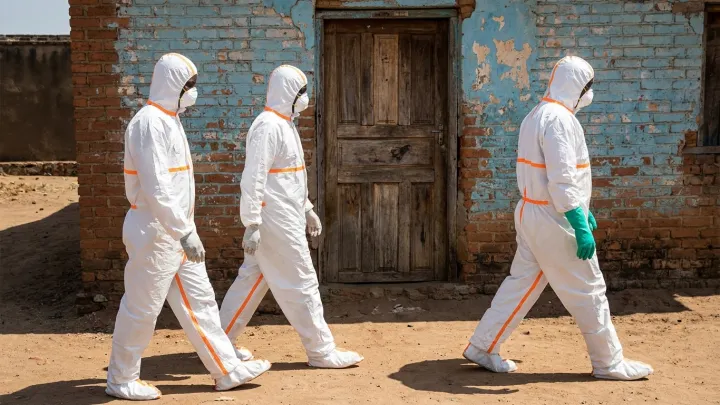
Humanitarian groups argue the response is being outmatched by basic epidemiology. Ebola spreads through direct contact with blood and other body fluids, yet personal protective equipment, isolation beds, and trained staff remain in short supply. Case fatality rates are high, laboratory diagnostics are delayed, and community mistrust continues to block early reporting and safe transport to treatment centers.
The stark warning that this crisis could become the deadliest on record reflects both biology and politics. The virus exploits weak infection prevention and control, porous clinic triage, and inconsistent surveillance in border regions. Health workers report attacks on teams and disruptions to vaccination campaigns, raising fears that the current death toll is an undercount and that hidden chains of infection are still expanding.