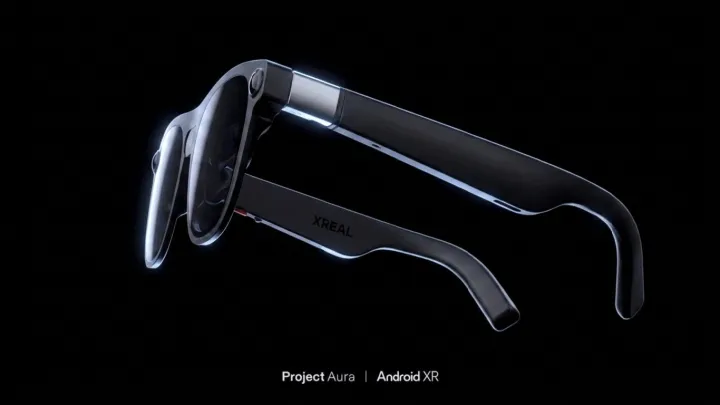
Smart glasses, not smartphones, are where Xreal wants your attention next. The Chinese headset maker, now Google’s chosen partner, argues the category has finally crossed from tech demo to product, as lighter optics and more efficient system-on-chips cut weight and heat that once doomed earlier attempts.
Chi Xu sounds almost defiant: the hard part, he insists, is done. His case leans on engineering more than hype, from compact micro‑OLED displays and refined optical waveguides to improved thermal design that keeps frames slim enough for daily wear while still supporting full Android compatibility and low‑latency spatial tracking across multiple apps.
Skeptics point to a graveyard of head‑mounted experiments, yet the Google alliance shifts the power balance. Deep integration with Google services, an app ecosystem tied to familiar developer tools, and potential leverage of Gemini‑class models for on‑device assistance give Xreal something those earlier projects lacked: a plausible software moat and distribution channel strong enough to test whether this turning point is real.