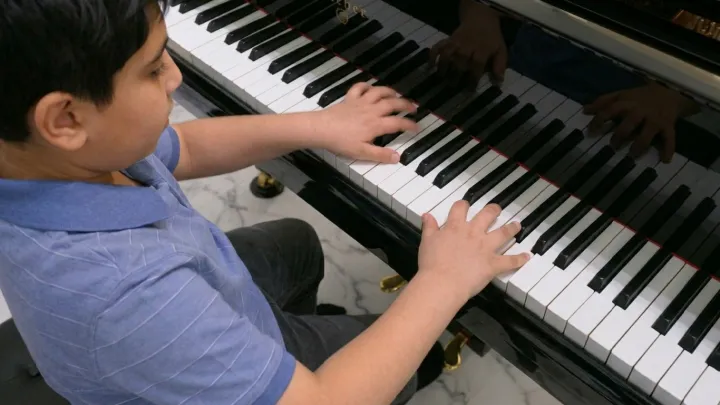
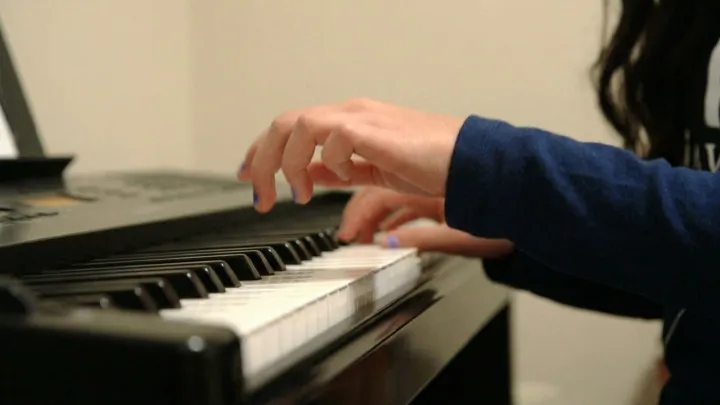
Joy sits at the center of the Payam Method, not as decoration but as operating system. Scales, drills, graded exams move to the edges, while curiosity becomes the primary metric of progress for young players and their parents.
At the core is a blunt belief: boredom kills more talent than lack of discipline. So lessons begin with songs a child already hums. Short hooks. Familiar chords. From there, the method slips in harmonic structure, interval recognition, and muscle memory, the way a good chef hides vegetables in a favorite dish.
Technique still matters, yet it is framed differently. Instead of metronome punishment, tempo control is linked to games of speed and accuracy. Instead of rigid sight‑reading marathons, pattern recognition and auditory processing lead, training the same cognitive circuits but through playful repetition. Mistakes are treated as data, not failure.
Parents are quietly retrained as well. The usual question, How many minutes did you practice, is swapped for, What sounded new today. That small linguistic pivot shifts attention from compliance to exploration, which in turn keeps children at the keyboard longer, and returning by choice rather than obligation.