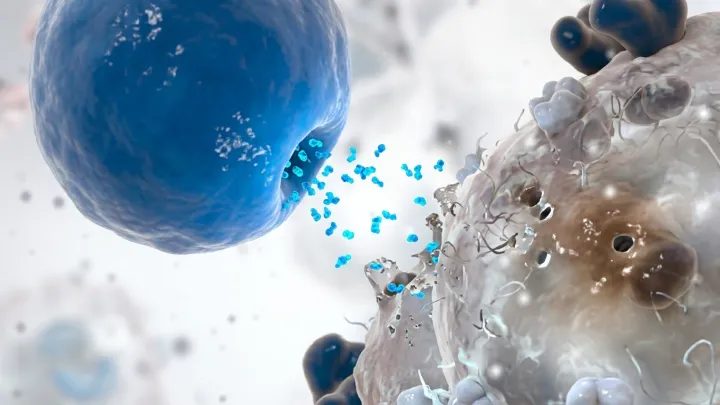
Cancer therapy is no longer defined by chemotherapy; immune manipulation now sets the pace. Checkpoint inhibitors first proved that releasing CTLA-4 and PD-1 brakes could extend survival in metastatic disease, yet their benefits exposed a problem: most tumors resist or adapt, and monotherapy quickly hits a ceiling.
That ceiling is driving a crowded arsenal. New checkpoint targets such as LAG-3, TIGIT and VISTA, oncolytic viruses that lyse tumors and recruit lymphocytes, antibody drug conjugates that deliver cytotoxic payloads to cell-surface antigens, and bispecific T‑cell engagers that tether CD3 to tumor epitopes are all competing for space in the clinic. Behind them stand engineered cell platforms: autologous CAR‑T for hematologic malignancies, emerging CAR‑NK and CAR‑macrophage constructs for solid tumors, and experimental in vivo reprogramming via viral vectors or mRNA–lipid nanoparticles.
The most disruptive claim, though, is that immunity will move from salvage to prevention. Personalized neoantigen vaccines, often built on mRNA and paired with checkpoint blockade, already show durable T‑cell responses in refractory cancers, while interception vaccines for high‑risk germline carriers aim to neutralize premalignant clones before they declare themselves. To guide all this, immunome and tumor microenvironment profiling—through thymus imaging scores, proteomic immune clocks and liquid biopsy–derived spatial ecotypes—promises to decide which patients receive which combinations, and whether the goal is control, cure or outright avoidance of cancer.