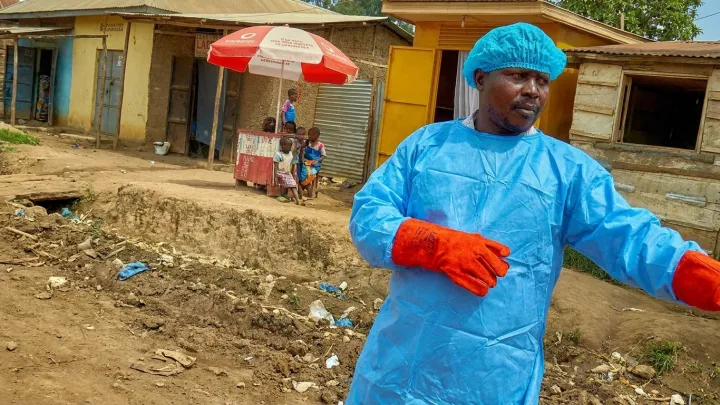
Violence, not the virus itself, now shapes the Ebola crisis in DR Congo. Suspected cases have climbed beyond 900, according to health authorities, even as medical teams struggle to reach patients in insecure districts. Treatment centers operate under armed escort. Some vaccination teams suspend operations after attacks on staff and facilities.
Health officials argue the outbreak is still technically containable, yet the conditions on the ground erode that claim. The World Health Organization classifies the risk for Congo as very high, citing disrupted surveillance, shortages of personal protective equipment, and gaps in infection prevention and control. Contact tracing falters when communities fear, or reject, health workers. Cold-chain logistics for the rVSV-ZEBOV vaccine remain fragile in remote areas, limiting coverage.
Global risk, though, stays low by WHO assessment, and that contrast is stark. Border screening, rapid polymerase chain reaction testing, and isolation protocols reduce the chance of exportation to other regions. International funding flows toward emergency response, yet local clinics still report intermittent power, scarce intravenous fluids, and exhausted staff. For many in the affected provinces, the official risk categories feel distant from daily exposure to both infection and conflict.