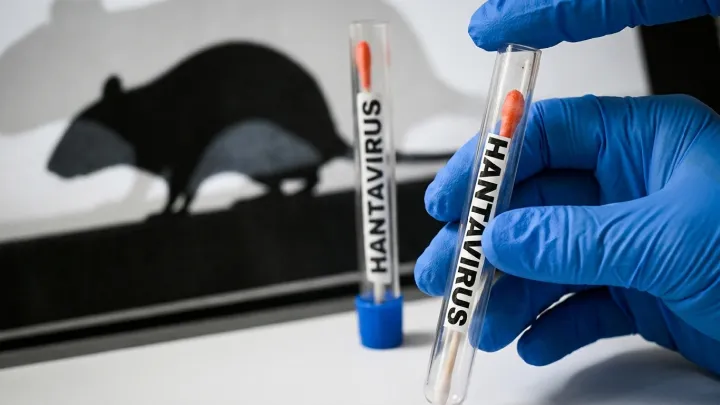
Silence in a hospital isolation room says more about hantavirus than any briefing. Health officials in Maryland report that two residents are under monitoring after what they describe as possible exposure linked to rodents, a reminder that a rare pathogen can still command serious attention.
This virus earns that attention because it can trigger hantavirus pulmonary syndrome, a condition marked by capillary leak and acute respiratory distress that can escalate from flu like fatigue to respiratory failure in hours. Transmission, investigators stress, is typically tied to inhalation of aerosolized particles from rodent urine, droppings or saliva, not casual human contact or outdoor air in general.
Public health agencies argue that the real story is not panic but prevention. Officials are tracing potential contacts, reviewing environmental exposure histories and coordinating diagnostic testing that targets viral RNA by polymerase chain reaction and specific immunoglobulin responses in blood. Residents are being pushed toward basic control measures: seal gaps in structures, use wet cleaning methods instead of sweeping dry droppings, and call professional remediation when infestations appear in enclosed spaces.