"Not a five-alarm fire bell" is a jarring way to describe any lethal pathogen, yet that is how the acting director of the CDC is framing the current concern around hantavirus in a televised interview.
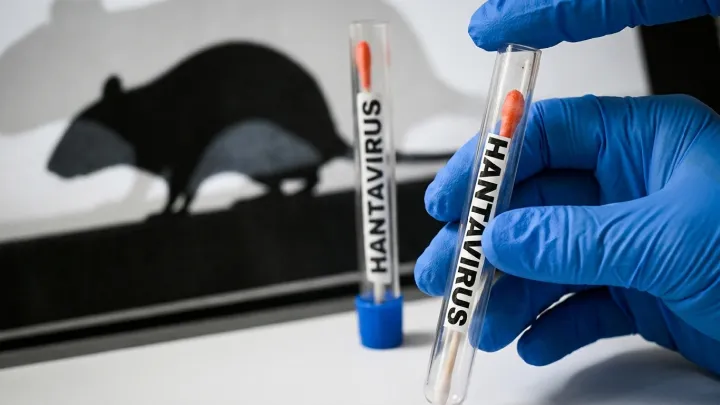
This stance, though blunt, rests on a simple distinction: hantavirus pulmonary syndrome is severe, but its epidemiology does not resemble an aerosol-driven pandemic. Transmission depends on exposure to infected rodent urine and droppings, not casual human contact, and that basic route constrains the effective reproduction number that terrified officials during the spread of SARS‑CoV‑2. Where Covid turned every crowded room into a possible chain reaction, hantavirus still begins in barns, cabins, storage sheds and other spaces where rodent infestation concentrates risk.
Skeptics may hear complacency, yet the agency’s message is closer to triage than denial. Surveillance teams are tracking serologic markers and reported respiratory distress clusters, state health departments are being pushed to reinforce rodent control guidance, and clinicians are being reminded to pair acute respiratory failure with exposure history and chest radiography rather than reflexively assuming another coronavirus. The political vulnerability is obvious: any hint of underreaction invites comparison with earlier missteps. The scientific logic, though, is that public health capacity is finite, and a pathogen constrained by host ecology does not warrant the same communication posture as one that rides airborne droplets through every bus and classroom.