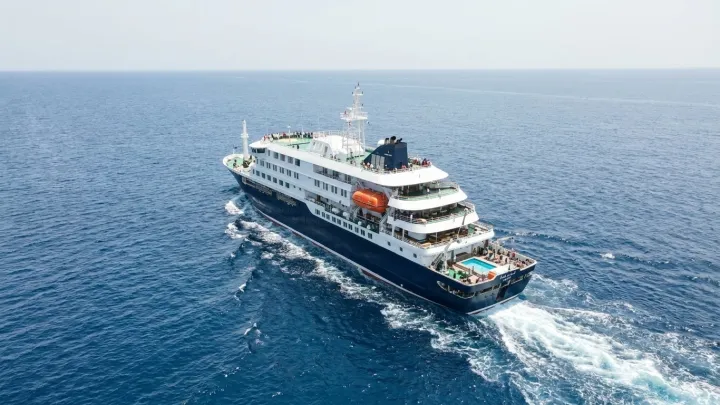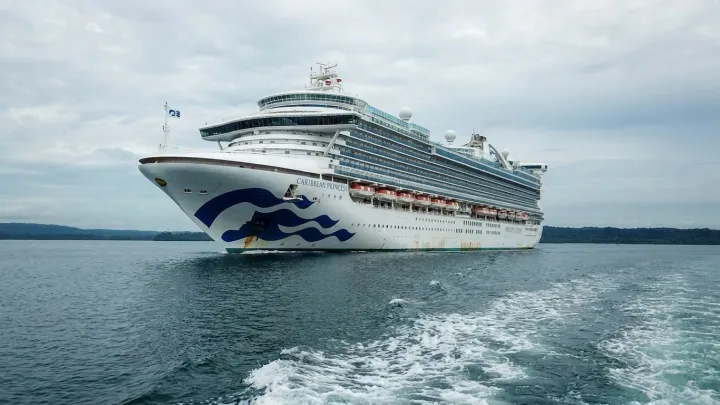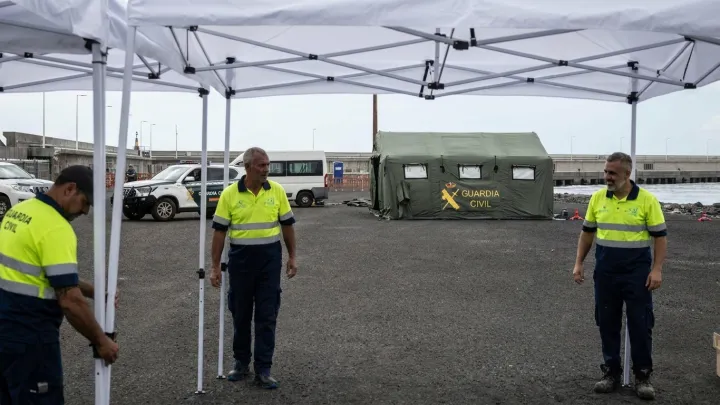
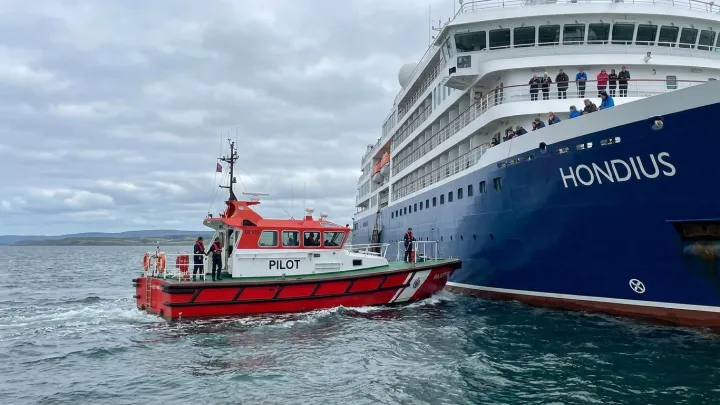
Proximity, not protocol, now seems to be driving global health decisions as a cruise ship linked to a suspected hantavirus outbreak edges toward the Canary Islands under mounting scrutiny. The World Health Organization has announced that its director will personally oversee the evacuation of passengers, an intervention that signals unease over both infection control and political optics surrounding the ship’s reception in port.
Such direct involvement by the WHO chief suggests less confidence in routine incident command systems and more concern over how hantavirus, a pathogen associated with rodent reservoirs and hantavirus pulmonary syndrome, might test existing maritime health regulations. Health officials say case definitions, isolation capacity on board, and the timing of disembarkation will determine how many travelers move into hospital surveillance, how many go into monitored quarantine, and how many are cleared after screening for respiratory symptoms and abnormal chest imaging.
Local resistance around the islands, with residents protesting the ship’s arrival, underlines another uncomfortable truth: trust in international health governance is now as fragile as any diagnostic assay. Authorities are weighing polymerase chain reaction testing, contact tracing protocols, and vector control measures while port officials juggle security, tourism economics, and public fear, all under the gaze of an agency that has chosen to stand on the dock rather than stay in the background.