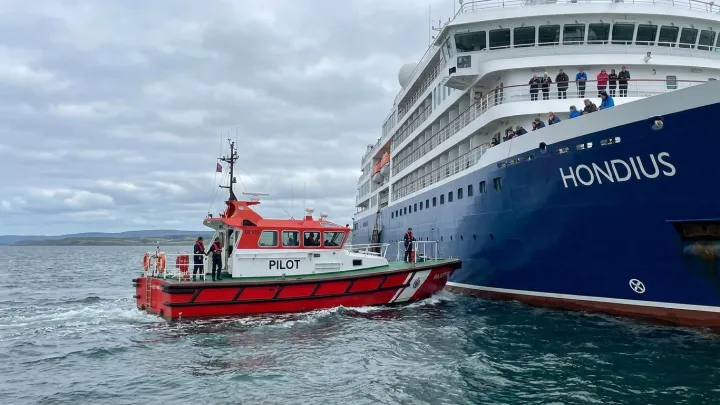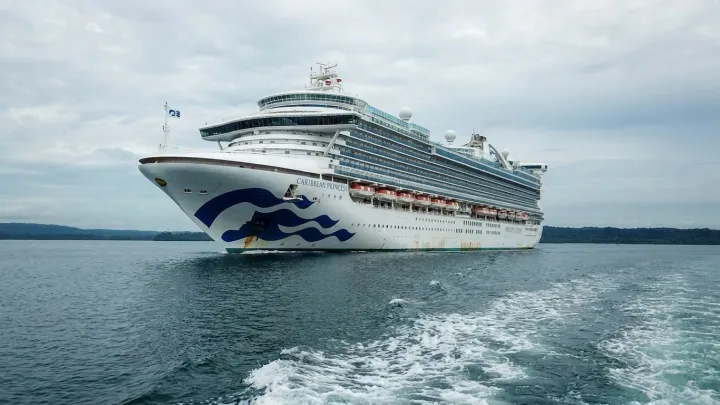
Silence on the water now feels misleading. The cruise ship flagged for possible hantavirus exposure is set to arrive at Tenerife, an island whose port normally signals leisure but now serves as a controlled entry point for a global health operation, according to Spanish and regional authorities.
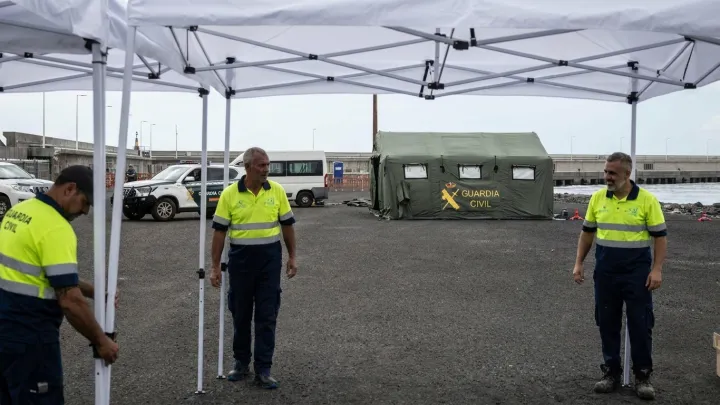
This decision looks less like hospitality and more like containment. Officials say the ship will berth under reinforced sanitary control, with port access shaped by protocols on airborne droplet management and environmental decontamination that mirror standard infection prevention and control guidance used in hospital isolation units. Passengers will disembark in staggered groups, under monitoring for fever, respiratory distress and signs consistent with hantavirus pulmonary syndrome, while crew remain under separate supervision to maintain ship operations and limit cross-contact.
The planned evacuation is, in effect, a stress test for international coordination. Health agencies from multiple states are preparing chartered or specially designated flights to repatriate citizens, with each transfer governed by medical clearance, contact tracing documentation and fit-to-fly assessments rooted in epidemiological risk stratification. Local hospitals in Tenerife have been placed on alert, though authorities emphasize that current reports do not confirm widespread symptomatic disease onboard. What moves next is not the ship, but the paperwork and protocols that will follow every passenger home.