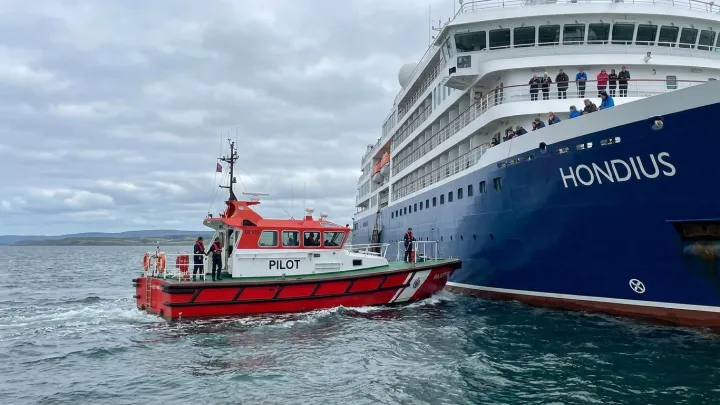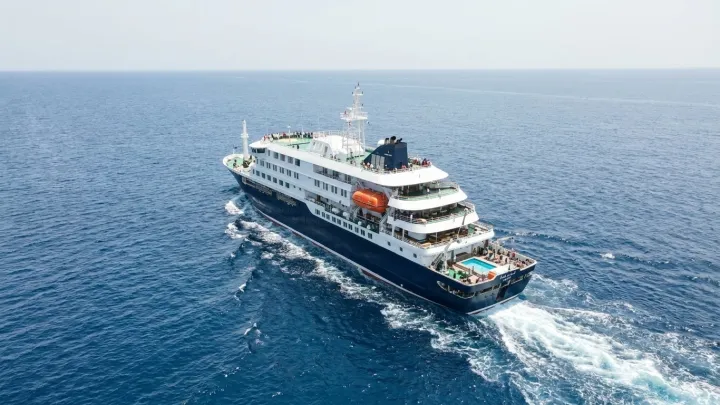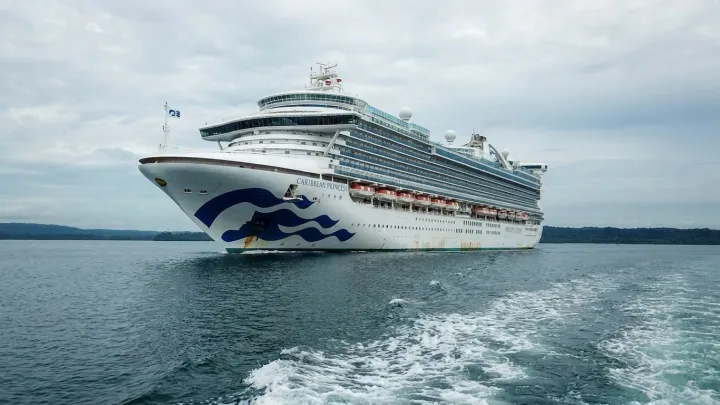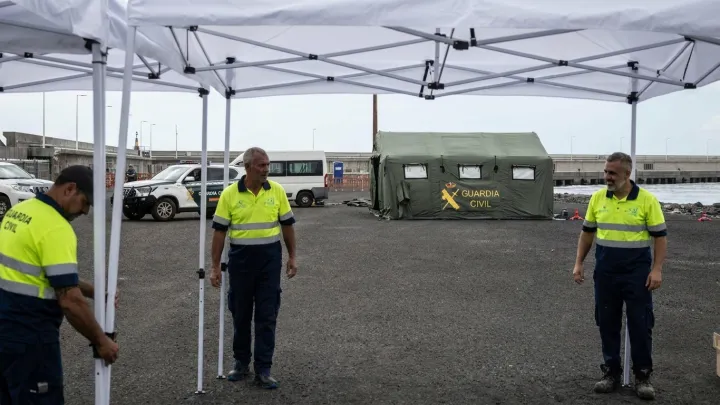
Norovirus rarely needs a passport, and this time a Fort Lauderdale-based Princess cruise ship appears to be its latest vessel. The ship reported an outbreak of acute gastrointestinal illness consistent with norovirus, prompting onboard containment measures and notification of federal health authorities.
The unsettling part is how routine this pattern has become at sea. Norovirus, a non-enveloped RNA virus transmitted via the fecal-oral route, thrives in closed environments where thousands share dining areas, handrails, and cabins, so even modest lapses in hand hygiene or surface disinfection can spark a rapid spike in vomiting and diarrhea cases across multiple decks.
Health officials say cruise ships are not uniquely cursed, just uniquely monitored. Under the Centers for Disease Control and Prevention Vessel Sanitation Program, ships calling at U.S. ports must report when gastrointestinal illness exceeds a defined percentage of passengers or crew, triggering intensified disinfection with chlorine-based agents, isolation of symptomatic travelers, and enhanced surveillance using standard epidemiologic tracing methods.
The harder question is whether passengers truly understand the trade-off they buy with that ticket. Close-quarters socializing, buffet-style dining, and shared ventilation systems create ideal conditions for viral shedding and fomite transmission, so even aggressive cleaning protocols and repeated reminders about handwashing can only reduce, not eliminate, the attack rate during an active outbreak on board.