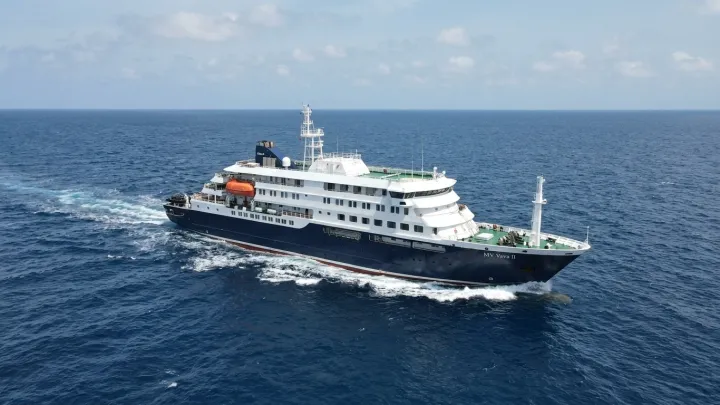
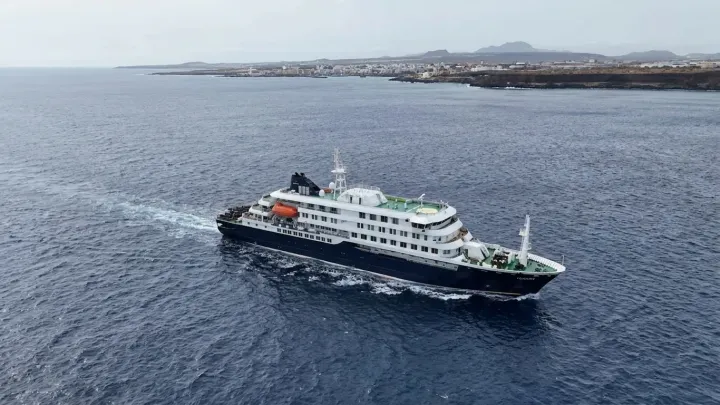
Hantavirus has moved from obscure footnote to headline by exploiting the most controlled setting public health officials thought they understood: a cruise ship. The Dutch-flagged MV Hondius, normally marketed as a compact expedition vessel, is now under international scrutiny after three passengers, a Dutch couple and a German national, died following infection.
Authorities seem late to their own story, as health agencies in the United States and several other countries now race to identify and locate passengers who disembarked before the first death was linked to hantavirus. Officials report eight confirmed or suspected infections associated with the voyage, a small cluster in absolute terms yet troubling given the confined environment, shared ventilation spaces, and structured excursions that increase opportunities for exposure to rodent excreta, the established reservoir and transmission source for hantavirus pulmonary syndrome.
The response already looks like a stress test for classic epidemiology. Case definition, contact tracing, and serological testing are being stretched across borders while investigators reconstruct cabin assignments, dining rotations, and onshore activities to map possible chains of transmission. Cruise operators, still sensitive to memories of norovirus and respiratory outbreaks, now face questions over vector control protocols, environmental sampling on board, and disclosure duties to future passengers, even as the MV Hondius sits at the center of a widening investigation.