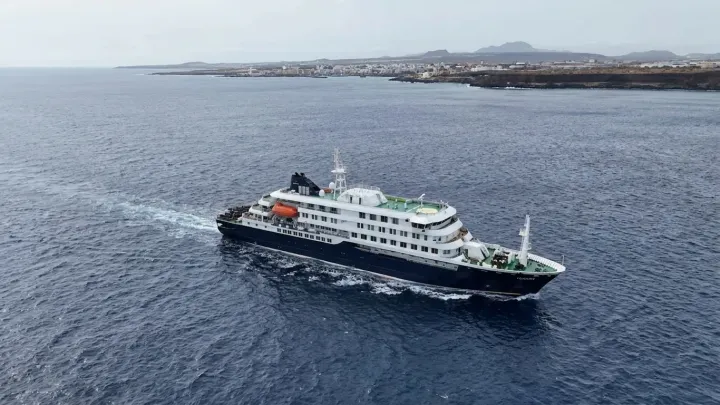
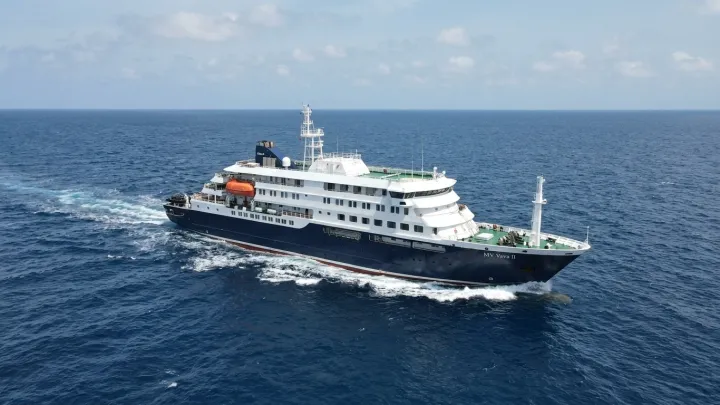
An infected ship now sets the agenda. The MV Hondius is sailing toward the Canary Islands, its first permitted port call since authorities confirmed a hantavirus outbreak on board and halted routine docking along its route.
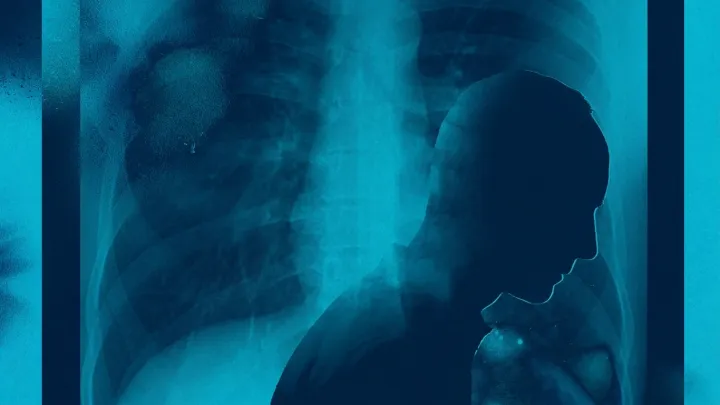
The unsettling part is how ordinary this voyage was supposed to be. Passengers reported flu‑like illness before testing identified hantavirus, a rodent‑borne pathogen linked to hantavirus pulmonary syndrome and hemorrhagic fever with renal syndrome, both marked by acute respiratory distress and capillary leak. Dozens left the vessel at earlier stops under medical supervision, including a contingent of American travelers who were separated for additional screening and contact tracing.
This episode shows how fragile cruise biosecurity still is. Cabins, shared air systems and enclosed dining spaces create ideal conditions for aerosolized particles and contaminated dust, even when standard disinfection and vector‑control protocols are in place. Health officials now face a familiar triage matrix: isolate symptomatic cases in shipboard infirmary units, test close contacts with polymerase chain reaction assays, and coordinate possible evacuation with onshore infectious‑disease centers once the ship reaches the Canary Islands.
The real stress test will come at the dock. Port authorities must balance quarantine rules, hospital capacity and tourism economics while deciding how many passengers can disembark, how long crew must remain under observation, and whether the Hondius can resume service or becomes a floating reminder of unfinished lessons from earlier cruise outbreaks.