Hantavirus, not the usual suspect in air travel scares, now sits at the center of a widening inquiry by Dutch health authorities. A flight attendant is being tested after contact with a cruise passenger who had boarded a flight from South Africa to the Netherlands and later died, triggering a cross-border public health response that treats every cabin and gangway as potential exposure ground.
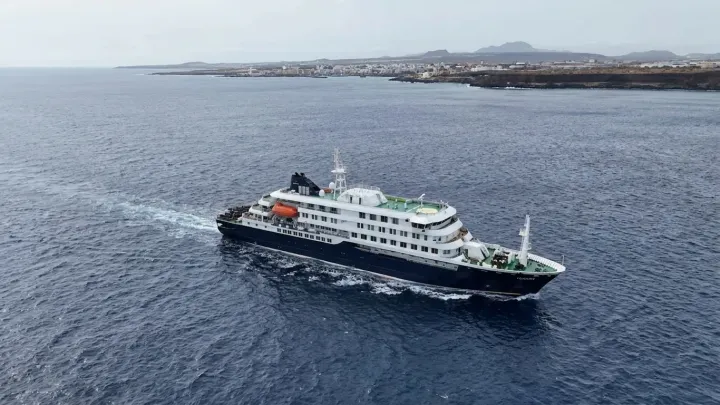
This investigation underscores an uncomfortable truth: cruise ships and long-haul flights still form one interconnected epidemiological network. Officials are tracing passengers and crew linked to the vessel where the initial hantavirus outbreak was detected, while also reviewing seating plans, air circulation zones, and contact histories from the connecting flight. Virologists highlight that hantaviruses are typically associated with rodent reservoirs and transmission through aerosolized excreta, yet public concern inevitably focuses on person-to-person spread in confined travel spaces.
What looks like a single fatal case is, for health agencies, a systems test of surveillance and contact tracing. Laboratories in the Netherlands are running serology and polymerase chain reaction assays on samples from the flight attendant and other close contacts, as international partners share manifests and clinical alerts tied to the cruise. At stake is whether this incident remains a contained zoonotic cluster or becomes another lesson in how leisure travel can amplify rare pathogens.